LỊCH SỬ HÌNH THÀNH VÀ PHÁT TRIỂN CỦA HỘI ĐỒNG DÒNG HỌ VŨ - VÕ VIỆT NAM
Thiếu tướng Công an nhân dân Vũ Đình Thuật
Phó Chủ tịch Hội đồng dòng họ Vũ - Võ Việt Nam, Chủ tịch Hội đồng dòng họ Vũ - Võ tỉnh Hải Dương
Ở Việt Nam, dòng họ là chế xã hội quan trọng, trực tiếp góp phần tạo nên kết cấu làng một thiết xã và rộng hơn nữa là đất nước. Các dòng họ Việt Nam trưởng thành cùng đất nước, gắn liền với lịch sử hình thành, phát triển của dân tộc, luôn đồng hành cùng dân tộc trong sự nghiệp chinh phục thiên nhiên, xây dựng và bảo vệ Tổ quốc.
Hội đồng dòng họ là tổ chức tập hợp những người trong cùng một dòng họ, được coi là một loại hình tổ chức tự nguyện của dòng họ ở Việt Nam. Hội đồng dòng họ định hướng các hoạt động trong dòng họ trên cơ sở thống nhất, đồng thuận, động viên, giúp đỡ nhau trong công việc và cuộc sống, gìn giữ và phát huy truyền thống tốt đẹp của dòng họ.
Hội đồng dòng họ Vũ - Võ Việt Nam đã hình thành trên căn bản triết lý ấy. Tuy nhiên, trong quá trình hoạt động, cũng có những bước thăng trầm.
Theo sử sách để lại thì toàn bộ vùng đất phía nam sông Dương Tử (Trường Giang) là địa bàn sinh tụ của các cư dân phi Hán tộc, gọi chung là Bách Việt. Một số nhóm người Việt đã xây dựng thành quốc gia riêng như Lạc Việt, Âu Việt, Điền Việt, Mân Việt...
Vào khoảng thế kỷ thứ VIII, khi nước Âu Lạc xưa đã bị sáp nhập vào An Nam đô hộ phủ, ở vùng Mân Việt có dòng họ Vũ nổi tiếng là nhân đức, thời nào cũng có nhiều người làm thầy giáo giỏi, làm quan thanh liêm. Một trong số các vị đó là Vũ Công Huy đã từng tham gia chính sự dưới thời nhà Đường, nhưng sau đó cáo quan về quê. Trong một chuyến đi thăm thú vùng đất phía Nam, ông đã tới Hồng Châu (tỉnh Hải Dương ngày nay). Vũ Công Huy tìm thấy tại đây một gò đất có thế phong thủy phát về đường học hành và phúc đức con cháu, ông đã quyết định đưa hài cốt thân sinh là cụ Vũ Tiên Oanh về táng ở Đống Dờm. Cũng tại đây cụ đã nên duyên vợ chồng với một phụ nữ đất Hồng Châu tên là Nguyễn Thị Đức. Kết quả của cuộc hôn nhân giữa chàng trai Mân Việt tài hoa với người con gái hiền thục làng Mạn Nhuế, đất Hồng Châu là vào ngày 8 tháng Giêng năm Giáp Thân (804) bà sinh hạ được một người con trai khôi ngô có khuôn mặt toát lên vẻ thông minh khác thường được đặt tên là Vũ Hồn.
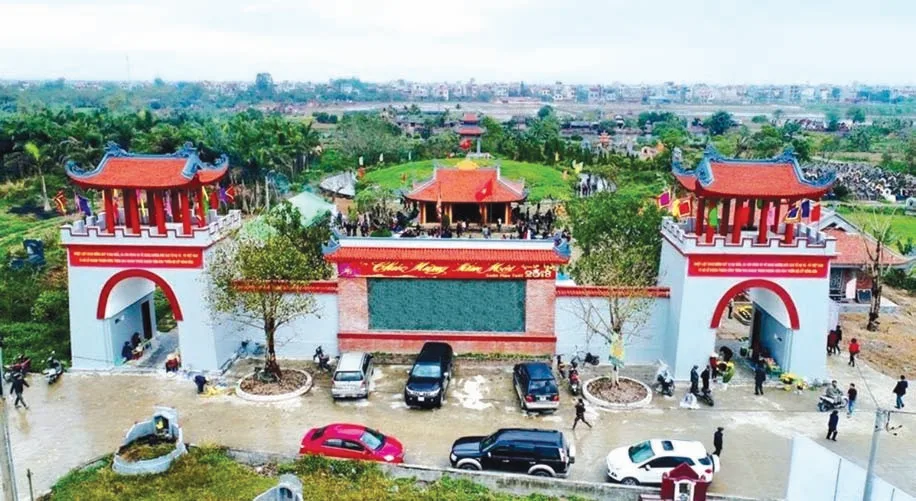
Quang cảnh khu Mộ Cao Tổ Đống Dờm.
Đúng như ước nguyện của đấng sinh thành, năm 16 tuổi Vũ Hồn đã đỗ Tiến sĩ và 5 năm sau được bổ làm Thứ sử Giao Châu, đứng đầu một đơn vị hành chính bao gồm 8 huyện. Năm 841 khi Vũ Hồn mới 37 tuổi được thăng làm An Nam Kinh Lược sứ, cai quản 13 châu với 59 huyện, tương ứng với phần phía Tây Nam tỉnh Quảng Tây (Trung Quốc), toàn bộ miền Bắc và miền Trung Việt Nam từ Hà Tĩnh trở ra.
Là người tài giỏi, học hành đỗ đạt, quan lộ hanh thông nhưng phẩm chất được người đời nhắc đến nhiều ở Vũ Hồn lại là đức hiếu hạnh, lòng vị tha, chỉ dạy dân chúng tận tình. Khi mới 39 tuổi Vũ Hồn đã cáo quan về dạy học. Ngài chọn đất làng Chằm Thượng, chiêu dân lập ra trang Khả Mộ (làng Mộ Trạch, xã Tân Hồng, huyện Bình Giang, tỉnh Hải Dương ngày nay).
Sau khi qua đời (ngày 03 tháng Chạp năm 853), cụ Vũ Hồn được dân trang Khả Mộ vì cảm kích công đức đã suy tôn làm thành hoàng và được triều đình phong làm Thượng đẳng Phúc thần. Cụ Vũ Hồn được coi là Thần tổ của dòng họ Vũ - Võ Việt Nam, là thành hoàng của làng Mộ Trạch từ đó. Trải qua các triều đại xưa, Đức Thần tổ Vũ Hồn đã được các vị hoàng đế từ triều Trần đến triều Nguyễn ban tặng nhiều sắc phong tôn làm thượng đẳng thần.
Họ Vũ - Võ thực chất chỉ là hai cách đọc khác nhau của một chữ 武. Sự khác nhau này là do kỵ húy chúa Nguyễn ở phía Nam. Hơn 1.200 năm qua, dù có những bước thăng trầm nhưng lớp lớp cháu con dòng họ Vũ - Võ Việt Nam dù ở bất cứ nơi đâu vẫn nêu cao truyền thống yêu nước, thương nòi, rèn đức, luyện tài, lập nghiệp, giúp đời.
Từ làng Mộ Trạch, nơi phát tích dòng họ Vũ - Võ Việt Nam, con cháu họ Vũ - Võ đã tỏa đi khắp bốn phương. Năm 1990, một số người họ Vũ gốc ở làng Mộ Trạch đã gặp gỡ, trao đổi, cùng nhau bàn bạc và thành lập Ban Liên lạc họ Vũ Hà Nội với mục đích sưu tầm các tài liệu về làng Mộ Trạch, về Thần tổ Vũ Hồn và về “Ngũ chi - Bát phái”. Qua 5 năm (1990-1995), Ban Liên lạc họ Vũ Hà Nội đã xây dựng, tổ chức kết nối để hình thành “Ban Liên lạc họ Vũ - Võ” với sự hưởng ứng và tham gia của bà con mang họ Vũ - Võ nhiều tỉnh thành.
Cùng với sự hình thành và phát triển của Ban Liên lạc họ Vũ - Võ thì từ năm 1994 đến năm 2003, Ban Liên lạc họ Vũ - Võ một số tỉnh, thành phố cũng được thành lập. Khi đó, Ban Liên lạc họ Vũ - Võ của các tỉnh thành đề nghị phải có Ban Liên lạc chung cho cả nước. Vì vậy, ngày 14/6/2003, Ban Liên lạc họ Vũ - Võ được lấy tên là Ban Liên lạc họ Vũ - Võ Việt Nam. Đến ngày 9 tháng 9 năm 2006, Ban Liên lạc họ Vũ - Võ Việt Nam được đổi tên là Hội đồng dòng họ Vũ - Võ Việt Nam.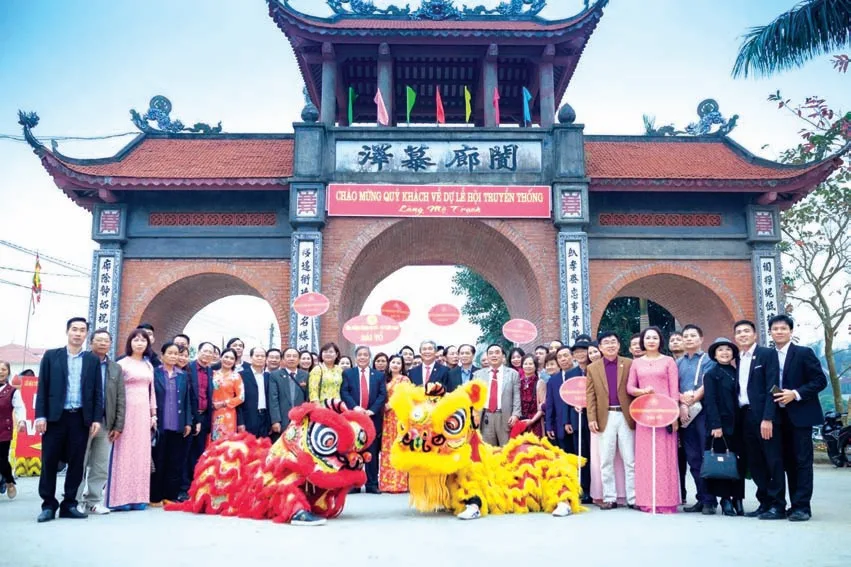
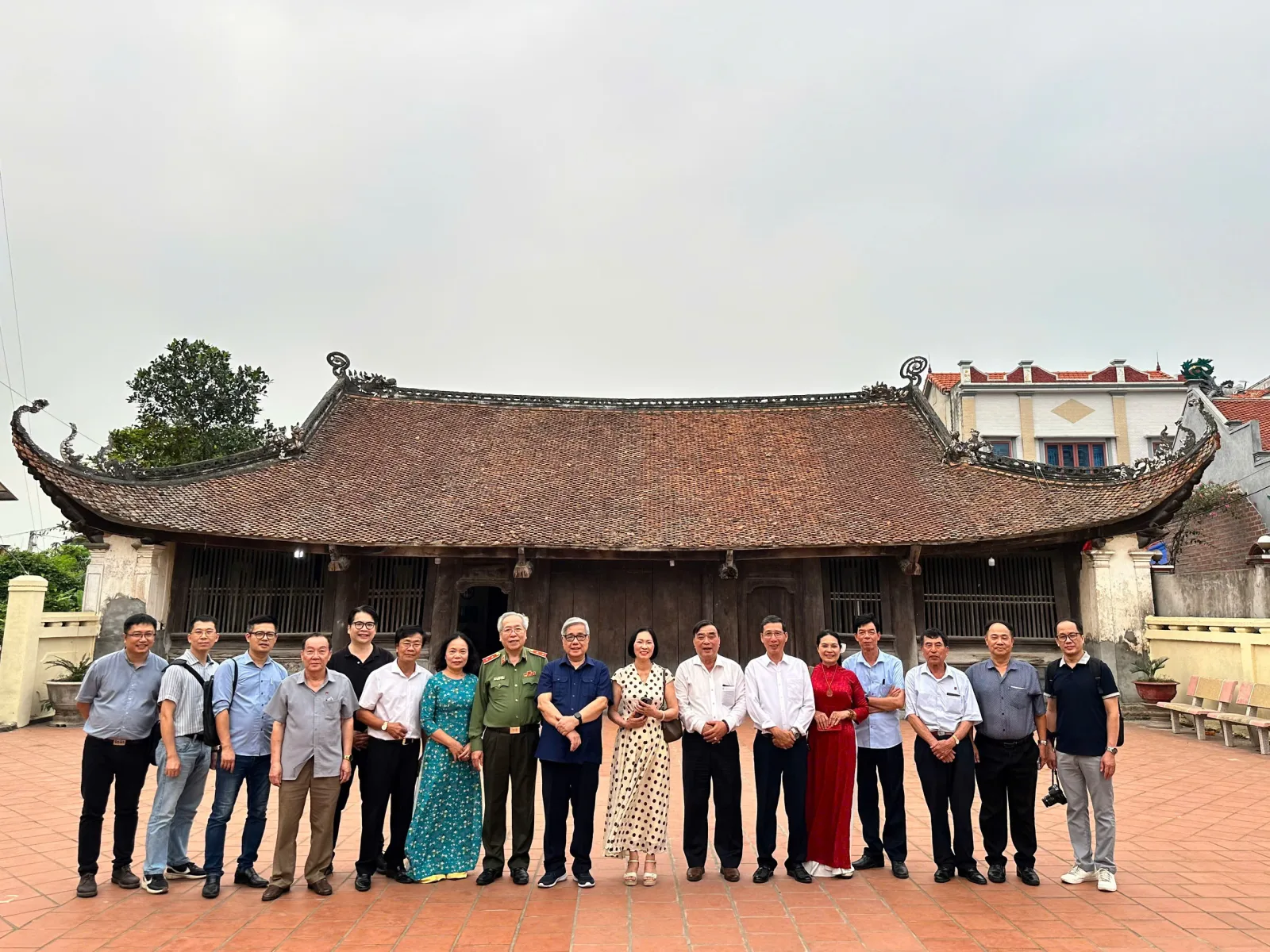
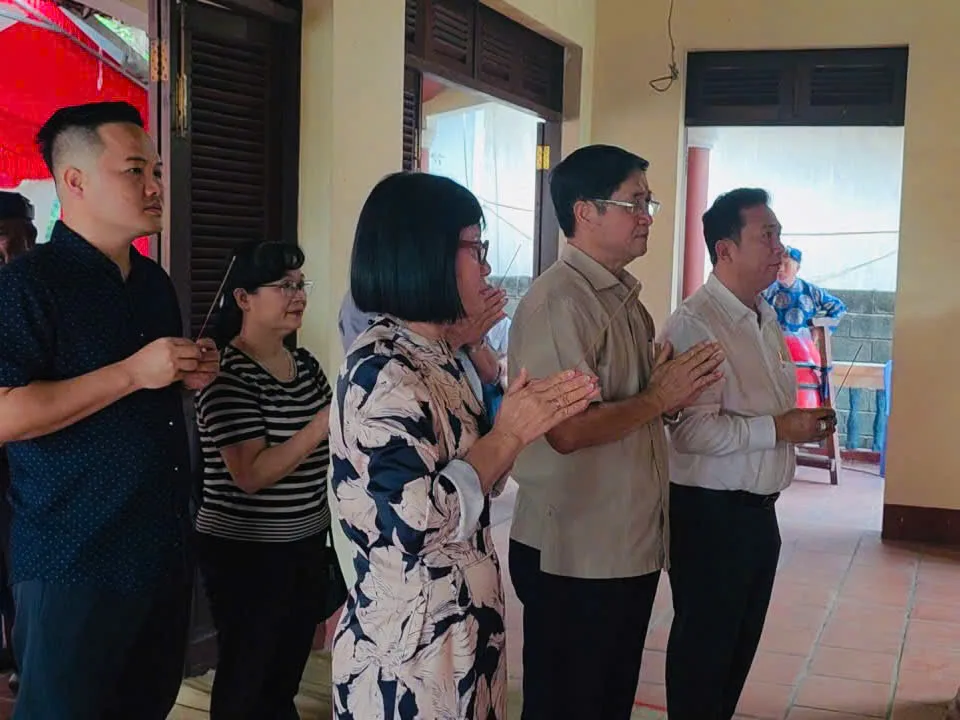
Lãnh đạo HĐDH Vũ - Võ Việt Nam và HĐDH Vũ - Võ các tỉnh thành về dự Lễ dâng hương tại Mộ Trạch, xã Tân Hồng, huyện Bình Giang, tỉnh Hải Dương
Bên cạnh sự phát triển Hội đồng dòng họ Vũ - Võ các tỉnh, thành phố trực thuộc Trung ương, Hội đồng dòng họ hoặc Ban Liên lạc dòng họ Vũ - Võ ở nước ngoài cũng được quan tâm phát triển. Đến nay, 51 tỉnh, thành phố trong cả nước đã thành lập Hội đồng dòng họ Vũ - Võ. Cùng với đó, 5 Hội đồng và Ban Liên lạc dòng họ Vũ - Võ Việt Nam ở nước ngoài cũng được thành lập.
Hoạt động của Hội đồng dòng họ, trên nền tảng hai giá trị cốt lõi là NHÂN và TRÍ, dựa trên tinh thần tự nguyện và nguyên tắc đồng thuận. Trên tinh thần tôn trọng quyền tự chủ, tự quản của Hội đồng dòng họ các địa phương, Hội đồng dòng họ Vũ - Võ các cấp là hạt nhân, là ngọn cờ tập hợp, giữ vai trò hướng dẫn, kết nối và chỉ đạo thực hiện những mục tiêu chung để tạo nên sự thống nhất trong hành động. Dựa trên tôn chỉ, mục đích và nguyên tắc hoạt động của mình, Hội đồng dòng họ Vũ - Võ Việt Nam đã đạt được những thành tựu rất đáng phấn khởi.
Trải qua hơn 30 năm từ khi thành lập Ban Liên lạc họ Vũ Hà Nội đến nay là Hội đồng dòng họ Vũ - Võ Việt Nam, Hội đồng dòng họ Vũ - Võ Việt Nam đã có những bước tiến dài trong hoạt động, đã đạt được những thành tựu rất đáng phấn khởi, nhưng cũng trải qua nhiều bước thăng trầm. Vì vậy, hoạt động của Hội đồng dòng họ Vũ - Võ Việt Nam vẫn còn rất nhiều khó khăn, cần phải tiếp tục đổi mới.
History of the Formation and Development of the Vũ–Võ Family Council of Vietnam
Major General Vũ Đình Thuật, People’s Public Security Force
Vice Chairman of the Vũ–Võ Family Council of Vietnam; Chairman of the Vũ–Võ Family Council of Hải Dương Province
In Vietnam, family lineages constitute an important social institution, directly contributing to the formation of the village and commune structure and, more broadly, of the nation itself. Vietnamese family lineages have grown and evolved alongside the country, closely linked to the history of the nation’s formation and development, and have always accompanied the Vietnamese people in the endeavors of mastering nature, building the country and defending the Fatherland.
A family council is an organization that brings together members of the same lineage and is regarded as a form of voluntary family-lineage organization in Vietnam. Family councils provide direction for activities within the lineage on the basis of unity and consensus, encouraging members to support and assist one another in their work and daily lives, while preserving and promoting the lineage’s fine traditions and values.
The Vũ–Võ Family Council of Vietnam was formed on the basis of this philosophy. Over the course of its activities, however, it has also experienced periods of progress and setbacks.
Origins of the Vũ Lineage
According to historical records, the entire region south of the Yangtze River was historically inhabited by non-Han peoples collectively known as the Bai Yue (Bách Việt). Some groups among the Việt established their own states, including Lạc Việt, Âu Việt, Điền Việt and Mân Việt.
Around the eighth century, after the ancient kingdom of Âu Lạc had been incorporated into the Annam Protectorate, the Mân Việt region was home to a distinguished Vũ family renowned for its benevolence. In every generation, the family produced many accomplished teachers and incorruptible officials.
One of them was Vũ Công Huy, who served in the government during the Tang dynasty before resigning from office and returning to his homeland.
During one of his journeys to explore the southern regions, he arrived in Hồng Châu, in what is now Hải Dương Province. There, Vũ Công Huy discovered a mound whose geomantic setting was believed to be auspicious for the family’s descendants, particularly in terms of learning and virtue. He therefore decided to have the remains of his father, Vũ Tiên Oanh, reinterred at Đống Dờm.
· A view of the Đống Dờm burial site of the Supreme Ancestor.
It was also there that he married Nguyễn Thị Đức, a woman from Hồng Châu.
Their marriage brought together a talented young man from Mân Việt and a virtuous young woman from Mạn Nhuế Village in Hồng Châu. On the eighth day of the first lunar month in the Giáp Thân year (804), Nguyễn Thị Đức gave birth to a handsome son whose face revealed an exceptional intelligence. He was named Vũ Hồn.
True to his parents’ hopes, Vũ Hồn passed the imperial doctoral examination at the age of 16. Five years later, he was appointed Thứ sử of Giao Châu, the head of an administrative unit comprising eight districts.
In 841, at just 37 years of age, Vũ Hồn was promoted to An Nam Kinh Lược Sứ, placing him in charge of 13 prefectures and 59 districts, corresponding to what is now southwestern Guangxi in China and the entirety of northern and central Vietnam from Hà Tĩnh northward.
Although Vũ Hồn was highly talented, academically accomplished and successful in his official career, the qualities for which later generations remembered him most were his filial piety, compassion and wholehearted dedication to teaching the people.
At the age of only 39, Vũ Hồn resigned from office and devoted himself to teaching. He chose the land of Chằm Thượng Village and gathered people to establish Khả Mộ Settlement, in what is now Mộ Trạch Village, Tân Hồng Commune, Bình Giang District, Hải Dương Province.
After his death on the third day of the twelfth lunar month in 853, the people of Khả Mộ, grateful for his contributions and virtue, honored Vũ Hồn as their Thành hoàng—the tutelary deity of the settlement. The imperial court also conferred upon him the title of Thượng đẳng Phúc thần, or Supreme Grade Blessed Deity.
Vũ Hồn has since been regarded as the founding ancestor of the Vũ–Võ family lineage in Vietnam and became the tutelary deity of Mộ Trạch Village.
Throughout the successive dynasties, Vũ Hồn, revered as the Divine Founding Ancestor, received numerous imperial decrees from emperors of the Trần through Nguyễn dynasties honoring him as a supreme-ranking deity.
From Mộ Trạch to the Vũ–Võ Family Council of Vietnam
The surnames Vũ and Võ are, in fact, two different readings of the same Chinese character, 武. The difference in pronunciation arose from the practice of avoiding the tabooed name of the Nguyễn lords in southern Vietnam.
For more than 1,200 years, despite periods of prosperity and adversity, generations of descendants of the Vũ–Võ lineage in Vietnam, wherever they have lived, have upheld the traditions of patriotism and love for their fellow countrymen, cultivated virtue and talent, built their livelihoods and contributed to society.
From Mộ Trạch Village, regarded as the birthplace of the Vũ–Võ family lineage in Vietnam, its descendants spread across the country and beyond.
In 1990, several members of the Vũ family whose roots lay in Mộ Trạch Village met, exchanged views and discussed the establishment of the Vũ Family Liaison Committee of Hanoi. Its purpose was to collect historical and genealogical materials relating to Mộ Trạch Village, the Divine Founding Ancestor Vũ Hồn, and the “Five Branches – Eight Sub-branches.”
Over the following five years, from 1990 to 1995, the Vũ Family Liaison Committee of Hanoi worked to establish connections and organize activities that led to the formation of the Vũ–Võ Family Liaison Committee, with members bearing the Vũ and Võ surnames from numerous provinces and cities joining the initiative.
Alongside the formation and development of the Vũ–Võ Family Liaison Committee, similar liaison committees were established in a number of provinces and cities between 1994 and 2003.
At that time, the provincial and municipal Vũ–Võ Family Liaison Committees proposed establishing a single nationwide body. Accordingly, on June 14, 2003, the organization was renamed the Vũ–Võ Family Liaison Committee of Vietnam.
On September 9, 2006, the Vũ–Võ Family Liaison Committee of Vietnam was renamed the Vũ–Võ Family Council of Vietnam.
Alongside the development of Vũ–Võ Family Councils in provinces and centrally administered cities, Vũ–Võ family councils and liaison committees overseas have also received attention and continued to develop.
To date, 51 provinces and cities throughout Vietnam have established Vũ–Võ Family Councils. In addition, five Vũ–Võ family councils and liaison committees have been established overseas.
· Leaders of the Vũ–Võ Family Council of Vietnam and Vũ–Võ Family Councils from provinces and cities attending the incense-offering ceremony in Mộ Trạch, Tân Hồng Commune, Bình Giang District, Hải Dương Province.
Guiding Principles and Achievements
The activities of the Family Council are built upon two core values: HUMANITY and WISDOM, and are guided by the principles of voluntariness and consensus.
Respecting the autonomy and self-governance of local family councils, Vũ–Võ Family Councils at different levels serve as the core and rallying point for members. They play the role of guiding, connecting and directing the implementation of common objectives, thereby creating unity in action.
On the basis of its guiding principles, objectives and operating principles, the Vũ–Võ Family Council of Vietnam has achieved a number of highly encouraging results.
More than 30 years have now passed since the establishment of the Vũ Family Liaison Committee of Hanoi and its subsequent development into the Vũ–Võ Family Council of Vietnam.
During this period, the Vũ–Võ Family Council of Vietnam has made significant strides in its activities and achieved many encouraging accomplishments. At the same time, it has also gone through periods of difficulty and change.
Consequently, the activities of the Vũ–Võ Family Council of Vietnam continue to face many challenges and require further innovation and renewal.
0 Comments
Chua co binh luan duoc duyet.