NGƯỜI ANH HÙNG DÂN TỘC HỌ VÕ MANG TRONG MÌNH TRUYỀN THỐNG NHÂN HẬU, TRÍ TUỆ
Tác giả : GS.TSKH.NGND. Vũ Minh Giang

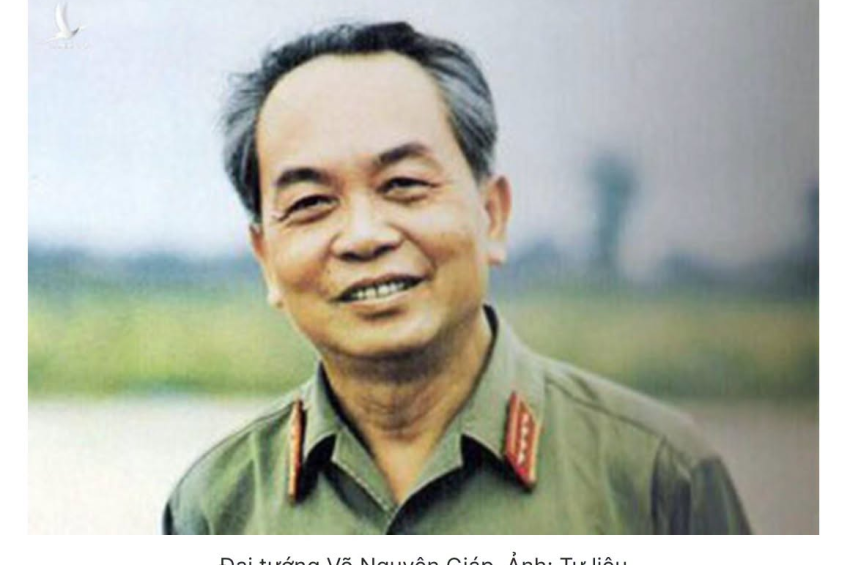
Đại tướng Võ Nguyên Giáp là vị tướng lỗi lạc đã chỉ huy đánh thắng những đạo quân xâm lược hùng mạnh nhất thế giới được thừa nhận là một trong những vị tướng vĩ đại nhất của mọi thời đại.
Đã có rất nhiều tác phẩm trong và ngoài nước ca ngợi về tài cầm quân, về nghệ thuật chỉ huy và về nhân cách cao đẹp của Đại tướng Võ Nguyên Giáp. Trong bài viết này, tôi xin chỉ đề cập đến khía cạnh giá trị cốt lõi nhân hậu - trí tuệ của dòng họ Vũ - Võ kết tinh trong con người Đại tướng và được nâng lên một tầm cao, trở thành niềm tự hào dân tộc và sự ngưỡng mộ của thế giới. Do có may mắn từng được trực tiếp gặp gỡ và làm việc với Đại tướng nên trong bài viết này tôi cũng xin phép được nhắc lại một số kỷ niệm để minh họa thêm những nhận định về nhân cách của một vị tướng đầy trí tuệ và lòng nhân ái.
Vũ và Võ chỉ là hai cách phát âm danh xưng của một dòng họ có gốc tích ở làng Mộ Trạch, huyện Bình Giang (xưa là huyện Đường An), một vùng đất có truyền thống hiếu học và trọng học. Sau này dòng họ Vũ - Võ lan tỏa đi mọi miền của đất nước, nhưng chỉ dấu nhận diện vẫn là truyền thống học giỏi, đỗ đạt cao. Dưới thời Hoàng đế Lê Thánh Tông, một trong những vị minh quân của thời đại hoàng kim, hết lòng trọng dụng các bậc hiền tài đã nổi lên Vũ Hữu được sử sách vinh danh là nhà toán học đầu tiên của Việt Nam với công trình Lập thành toán pháp giúp triều đình tính toán ngân khố, thực thi việc đo đạc, quản lý ruộng đất và xây dựng các công trình lớn ở Hoàng thành Thăng Long. Một danh sĩ họ Vũ khác cũng đã tham gia đóng góp trong thời đại hoàng kim này là Vũ Quỳnh, người nổi tiếng trên lĩnh vực văn học và sử học đã có công lớn trong việc tập hợp, chú giải các truyền thuyết dân gian thời Hùng Vương làm cơ sở cho các nhà sử học đưa thời Hùng Vương từ truyền thuyết vào chính sử.
Không chỉ được biết đến như một dòng họ có truyền thống nhân văn và đóng góp nhiều về lĩnh vực từ chương và khoa học, họ Vũ - Võ còn sản sinh ra những nhà quân sự có tài. Trong suốt chiều dài hàng ngàn năm lịch sử của dân tộc, thời nào cũng có danh tướng họ Vũ - Võ. Trong bài viết ngắn này chỉ xin dẫn ra ba trường hợp các vị tướng lĩnh, chỉ huy quân sự có tài năng xuất chúng và thể hiện rõ những tố chất là những người con họ Vũ - Võ.
Trước hết xin nói về Vũ Nạp. Ông xuất thân từ làng Mộ Trạch, vốn là người giỏi chữ nghĩa. Khi quân Mông Cổ đến xâm lược vào năm 1258, ông được cử đến trấn giữ vùng Hải Đông. Trong gần 30 năm cai quản vùng đất này, ông đã có công lớn trong việc tổ chức dân khai hoang, lập ấp khiến cho cư dân vùng duyên hải quan yếu ngày trù mật. Nhưng điều mà nhân dân và sử sách luôn ca ngợi ông như một thánh tướng chính là nhờ chiến công ông đã cùng với tướng Trần Quốc Bảo lập nên trong chiến dịch Bạch Đằng năm 1288. Để có thể điều được đại quân giặc vào bãi cọc phải bằng mọi giá đánh chặn không cho chúng theo đường sông Giá. Nhiệm vụ vô cùng khó khăn này Trần Quốc Tuấn đã giao cho 2 tướng Trần Quốc Bảo và Vũ Nạp. Vì thế giặc mạnh, lực lượng quân ta lại mỏng nên khi quân Nguyên tiến vào sông Giá, trận đánh diễn ra vô cùng ác liệt. Chánh tướng Trần Quốc Bảo tử trận, ông đã phải đảm đương vị trí của người tổng chỉ huy. Trước tình thế lực lượng chênh lệch quá lớn, với trí tuệ của một người hiểu biết sâu rộng, Vũ Nạp đã kết hợp động viên các chiến binh tử chiến để hoàn thành nhiệm vụ với việc dùng mưu kế. Là người được nhân dân địa phương biết ơn và mến mộ, ông đã huy động nhân dân tham gia vào mưu kế này. Ông huy động dân quanh vùng gom hàng nghìn mo cau thả xuống khúc sông quân Nguyên sẽ đi qua và cho dân chúng nấp hai bên bờ hô hét thật to, gõ phèng la dậy trời khiến quân Nguyên nhầm tưởng có rất nhiều quân Trần mai phục phía trước mà chùn chân không dám tiến, buộc phải quay lại ra biển theo đường quân ta đã định. Kết cục là cánh quân do Vũ Nạp chỉ huy đã hoàn thành sứ mệnh được Quốc công tiết chế giao cho, buộc hơn 600 đại chiến thuyền của địch phải quay trở lại đường sông Đá Bạc rồi bị lùa vào trận địa bãi cọc để phục binh đánh tan tành.
Người thứ hai xin được nói tới là một danh tướng của Quang Trung, Đại đô đốc Võ Văn Dũng. Sát cánh cùng các thủ lĩnh Tây Sơn ngay từ những ngày đầu dựng cờ khởi nghĩa, Võ Văn Dũng cùng với Trần Quang Diệu luôn như hai cánh tay đắc lực của Nguyễn Huệ và hầu như có mặt trong tất cả các chiến dịch quan trọng của quân Tây Sơn. Hoàng đế Quang Trung thường nói Võ Văn Dũng là tâm phúc của ông. Ông là danh tướng được phong đến chức Đại Đô đốc, trong chính quyền trong hàng quan văn ông được phong đến Đại Tư đồ. Ngoài tài thao lược về quân sự, ông còn là một nhà ngoại giao. Ngay sau khi đại phá quân Thanh vào mùa xuân năm Kỷ Dậu (1789), lường trước tình huống địch cay cú sẽ đem quân quay lại trả thù, Hoàng đế Quang Trung đã cử ngay một phái bộ ngoại giao do Võ Văn Dũng sang thương thảo để phần nào khiến Thiên triều bớt bẽ mặt. Kết quả là tài ngoại giao khôn khéo của Võ Văn Dũng đã “giúp” cho nhà Thanh có cớ từ bỏ một cuộc chiến phục thù. Qua lần tiếp xúc này, Võ Văn Dũng đã mục kích sở thị sự khiếp nhược của quân Thanh trước nghĩa quân Tây Sơn. Đây chính là lý do Hoàng đế Quang Trung cử ông đi sứ lần thứ hai với những đòi hỏi cứng rắn. Tiếc rằng, những yêu sách của nhà Tây Sơn đang diễn biến theo chiều hướng có lợi cho Việt Nam thì Quang Trung qua đời.
Nhân vật họ Võ thứ ba xin được nhắc tới là Võ Duy Dương (trong sử sách thường gọi là Thiên Hộ Dương). Ông vốn là người Bình Định vào khai hoang ở Đồng Tháp Mười, được triều đình phong chức Thiên hộ. Là một võ quan nhưng ông rất yêu thích văn chương nên đã kết bạn thân với Thủ khoa Huân (Nguyễn Hữu Huân). Khi triều đình nhà Nguyễn ký Hàng ước 1862, ông đã cùng với Nguyễn Hữu Huân liên kết với Trương Định tổ chức đánh Pháp. Hiểu được tình thế bất lợi về lực lượng và thái độ khiếp nhược của nhà Nguyễn, ông đã vận dụng trí tuệ viết ra kế sách dùng mưu giành lại 3 tỉnh miền Đông. Tiếc rằng kế hoạch chưa được thực hiện thì ông bị chết trên đường ra kinh đô Huế.
Có thể kể ra nhiều nữa các nhà chỉ huy quân sự mang họ Vũ - Võ đã từng có đóng góp vào sự nghiệp chống ngoại xâm của dân tộc. Ở mức độ khác nhau họ đều có nét tương đồng với ba nhân vật nói trên. Đó là trước khi tham gia vào lĩnh vực quân sự, họ là những người học hành đỗ đạt, thích chữ nghĩa, yêu văn chương. Khi trở thành người cầm quân thường dùng trí tuệ để bày mưu kế diệt giặc chứ không đơn thuần chỉ là dụng binh tác chiến.
Đại tướng Võ Nguyên Giáp mang trong mình truyền thống văn võ toàn tài của dòng họ Vũ - Võ. Sinh ra và lớn lên trên mảnh đất giàu truyền thống, Đại tướng Võ Nguyên Giáp còn được nuôi dưỡng trong một gia đình có nếp sống thanh cao, với cha, mẹ đều là những người giàu lòng nhân ái và yêu nước, dạy dỗ con cái rất nghiêm cẩn. Thân phụ Đại tướng là cụ Võ Quang Nghiêm, một hương sư nghèo làm thêm nghề thầy thuốc trong làng An Xá, xã Lộc Thủy, huyện Lệ Thủy, tỉnh Quảng Bình. Cụ thường nói về phong trào kháng Pháp qua bài vè “Thất thủ kinh đô” gây những ấn tượng sâu sắc trong tâm trí Đại tướng. Thân mẫu Đại tướng là cụ bà Nguyễn Thị Kiên, xuất thân trong một gia đình có truyền thống yêu nước, chống ngoại xâm. Ông ngoại Đại tướng là một thủ lĩnh trong phong trào Cần Vương đứng đầu một tỉnh. Khi còn nhỏ tuổi Đại tướng đã được mẹ kể cho nghe những câu chuyện về quan Phụ chính Tôn Thất Thuyết phò vua xuống chiếu Cần Vương, hiệu triệu các sĩ phu và dân chúng đứng lên chống Pháp bảo vệ đất nước. Chính những ảnh hưởng gần gũi mà sâu sắc ấy đã góp phần hun đúc ý chí kiên cường cho sự nghiệp cách mạng sau này của Đại tướng.
Cuộc gặp lịch sử với lãnh tụ Nguyễn Ái Quốc diễn ra vào năm 1940 đã quyết định hướng đi của cuộc đời ông. Từ rất sớm lãnh tụ Nguyễn Ái Quốc đã nhận ra tư chất, trí tuệ, tài năng cũng như nhân cách của Võ Nguyên Giáp rất phù hợp với một đạo quân mà Người muốn xây dựng để giành và giữ chính quyền cách mạng. Đấy là một quân đội phải biết dựa vào dân để có sức mạnh, phải chiến thắng quân thù không chỉ bằng vũ khí và tài quân sự thao lược mà phải bằng cả trí tuệ và văn hóa. Người đứng đầu quân đội ấy phải văn võ song toàn, kiến thức uyên bác và giàu lòng nhân ái. Năm 1944, Võ Nguyên Giáp đã chính thức được trao trách nhiệm thành lập lực lượng vũ trang cách mạng mang tên Đội Việt Nam tuyên truyền giải phóng quân. Từ đó trên cương vị người đứng đầu quân đội, Võ Nguyên Giáp đã trở thành vị tướng bách chiến bách thắng. Cùng với thiên tài quân sự, không khó để nhận ra ông là vị tướng của trí tuệ và lòng nhân ái, được kết tinh từ những truyền thống cao đẹp của dân tộc, quê hương và dòng họ.
Là tướng Võ nhưng lại lấy bí danh là Văn đã thể hiện rõ cốt cách của một trí thức đầy tính nhân văn. Đại tướng là người đầu tiên chỉ đạo các nhà sử học cần phải có tiếp cận văn hóa khi nghiên cứu lịch sử chống ngoại xâm của Việt Nam, thay vì chỉ nhìn từ góc độ quân sự. Năm 1998, tôi có may mắn được giúp GS. Phan Huy Lê tổ chức Hội thảo Quốc tế về Việt Nam học lần thứ nhất. Rất vinh dự cho Hội thảo được Đại tướng nhận lời tham gia và đọc tham luận trong phiên toàn thể. Cũng nhờ đó mà tôi lại có cơ hội tới 30 Hoàng Diệu để nghe ý kiến chỉ đạo của Đại tướng. Trong một lần như thế, tôi đã học được một tư tưởng lớn của ông: “Nghệ thuật quân sự Việt Nam là lĩnh vực thuộc phạm trù văn hóa”. Thoạt nghe tôi chưa thật hiểu, nhưng Đại tướng đã ôn tồn giải thích: Văn hóa là tất cả sáng tạo của con người vì mục đích tồn tại và phát triển của cộng đồng. Trong lịch sử Việt Nam, dựng nước luôn đi đôi với giữ nước, liên tục từ đời này sang đời khác chúng ta phải đứng lên cầm vũ khí, đem hết tài năng và trí tuệ ra để bảo vệ độc lập dân tộc. Tất cả những sáng tạo trong lĩnh vực quân sự là vì sự tồn vong của dân tộc, của đất nước, nếu không phải là văn hóa thì là cái gì”. Tôi đã kể điều này với nhiều người và ai cũng đều có chung một suy nghĩ: Đại tướng không chỉ là một danh tướng mà còn là một nhà tư tưởng, một nhà văn hóa lớn.
Trong quá trình chuẩn bị Hội thảo, chúng tôi còn được Đại tướng giảng giải những điều mà theo ông, là giới Việt Nam học trong nước và quốc tế vẫn chưa tìm ra lời giải đáp thỏa đáng cho lịch sử Việt Nam, thậm chí ông còn nói là “có nhiều sự kiện và thời kỳ chưa thể lý giải”.
Trước hết đó là hiện tượng dân tộc Việt Nam bị mất độc lập, sau đó bị đặt dưới ách cai trị của các triều đại phong kiến mạnh về quân sự, giàu về tiềm lực, cao về trình độ văn minh… trong một thời gian dài hàng nghìn năm mà vẫn không bị đồng hóa. Đó là điều mà theo Đại tướng, có một không hai trong lịch sử nhân loại, cần phải đặt ra để tiếp tục nghiên cứu để lý giải.
Thứ hai, đó là sức mạnh kỳ diệu của dân tộc Việt Nam trong các cuộc kháng chiến chống ngoại xâm. Hầu như tất cả những đạo quân đến xâm lược nước ta trong lịch sử đều rất hùng mạnh và hung hãn, trong đó có những đạo quân được coi là có khả năng làm khuynh đảo thế giới. Ở thế kỷ XIII là đội quân Nguyên - Mông, một đội quân đã chinh phục khắp lục địa Á - Âu tạo ra một đế chế có lãnh thổ liền nhau lớn nhất trong lịch sử nhân loại. Đội quân ấy đã thất bại ba lần trước dân tộc Việt Nam. Đại tướng nói, không thể lý giải một cách đơn giản hiện tượng này. Có hiểu thật sâu sắc lịch sử mới có thể lý giải được vì sao ta thắng đề quốc Mỹ, một đế quốc hùng mạnh nhất thế giới, một thế lực mà trước khi bị thất bại trong chiến tranh Việt Nam, bất kỳ một quốc gia nào, kể cả những nước được coi là cường quốc cũng phải e ngại, né tránh.
Những lời chỉ bảo của Đại tướng cho tôi cảm giác được thụ giảng một nhà sử học uyên bác và bất giác trong tôi trào lên niềm tự hào khó tả. Ngoài tư chất thiên bẩm, tất cả những gì Đại tướng có còn là sự dày công tích lũy kiến thức trong trường học và học trong thực tế. Ông từng là sinh viên của Đại học Đông Dương, tiền thân của Đại học Quốc gia Hà Nội, cái nôi nuôi dưỡng và đào tạo nhân tài. Niềm tự hào còn ở chỗ, Đại tướng yêu sử và chọn lịch sử làm nghề. Ông thường nói, nếu không có chiến tranh mình làm nghề dạy sử. Có lẽ vì vậy mà ông đã nhận lời làm Chủ tịch danh dự của Hội Khoa học Lịch sử Việt Nam. Giới sử học cả nước coi đây là một niềm vinh dự lớn lao. Chất trí thức, chất nhân văn của Đại tướng có lẽ một phần cũng có căn cốt từ đây.
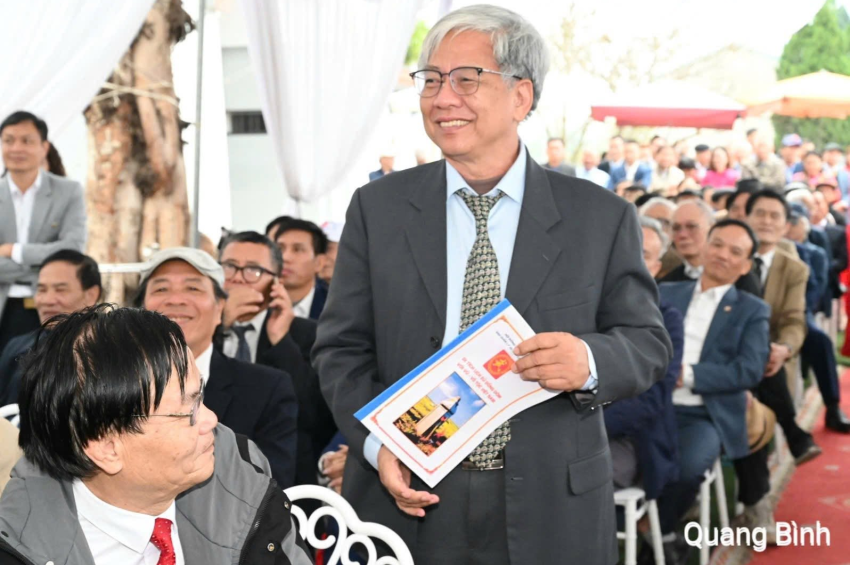
 GS.TSKH.NGND Vũ Minh Giang tại Hội thảo khoa học:“Đại tướng, Tổng Tư lệnh Võ Nguyên Giáp - Một tài năng quân sự xuất chúng, nhà lãnh đạo có uy tín lớn của cách mạng Việt Nam” nhân kỷ niệm 110 năm ngày sinh Đại tướng.
Có một chuyện cho tôi ấn tượng cực kỳ sâu sắc là lần được trực tiếp nghe Đại tướng kể lại vì sao có quyết định lấy phương châm “đánh chắc, tiến chắc” thay cho “đánh nhanh, thắng nhanh”. Cả thế giới biết đến Đại tướng Võ Nguyên Giáp sau chiến thắng Điện Biên Phủ chấn động địa cầu. Tôi cũng đã thuộc nằm lòng nhiều chi tiết về sự kiện lịch sử vĩ đại này, trong đó rất tâm đắc với tư tưởng chắc thắng và quyết định chọn phương châm “đánh chắc, tiến chắc”. Xưa nay tôi chỉ hiểu đơn giản đây là một quyết định sáng suốt đạt tới mức nghệ thuật của một thiên tài quân sự. Hóa ra, điều khiến Đại tướng phải nhiều đêm thức trắng để đi tới quyết định này không đơn thuần chỉ ở hai chữ “chắc thắng” mà lại bởi ông xót máu xương của chiến sĩ. Hiếm có vị danh tướng nào lại có tấm lòng nhân ái, thương lính như thế, bởi “nhất tướng công thành vạn cốt khô” (để một ông tướng thành danh có sự hy sinh của hàng vạn người) là triết lý được chấp nhận, là quy luật của chiến tranh. Có lẽ từ cái tâm của Đại tướng như vậy, lòng nhân ái của Đại tướng như vậy nên sau khi chiến tranh kết thúc ông suy nghĩ nhiều đến văn hóa.
Năm 1972 khi Mỹ dùng máy bay B.52 ném bom Hải Phòng và Thủ đô Hà Nội, tôi đang đóng quân ở Quảng Bình, có một chuyện mà tôi không bao giờ quên. Một hôm, trong khi làm nhiệm vụ thu thập tin tức từ các đài phương Tây, có một thông tin làm tôi choáng váng, toàn thân gần như tê liệt. Tôi không tin vào tai mình nữa. Rồi không phải một mà nhiều đài nước ngoài thay nhau truyền đi tin dữ: Đại tướng Võ Nguyên Giáp đã tử nạn vì bom B.52 trong một chuyến đi thị sát trận địa tên lửa... Không ai trong chúng tôi tin điều này (hay nói đúng hơn là không muốn tin), nhưng không hiểu sao tất cả đều bật khóc, khóc nức nở như mất người thân thiết nhất của chính mình. Chắc Trung ương biết điều này nên chỉ ngay ngày hôm sau trên Đài Tiếng nói Việt Nam, Thông tấn xã Việt Nam liên tục phát đi tin Đại tướng đi kiểm tra các đơn vị… Niềm vui đến với chúng tôi thật khôn xiết, thậm chí niềm vui còn biến thành tinh thần lạc quan như ta sắp giải phóng miền Nam đến nơi rồi. Thế mới biết Đại tướng có vị trí như thế nào trong lòng những người lính.
Đúng mười năm sau (1982) tại Matxcơva tôi có vinh dự được gặp Đại tướng trên cương vị Phó Chủ tịch Hội đồng Bộ trưởng phụ trách Khoa học - Kỹ thuật. Khi ấy, tôi được cử sang làm nghiên cứu sinh tại Đại học Lomonoxov. Không hiểu sao, sau buổi gặp chung với đại diện nghiên cứu sinh và thực tập sinh cao cấp, Đại tướng bảo tôi ở lại gặp riêng. Và thật hạnh phúc, trong buổi gặp vô cùng quý giá ấy tôi đã được Đại tướng chỉ bảo, dặn dò và cũng là một cơ may, trong lần gặp mà với tôi là một sự kiện lớn trong đời, tôi đã được tiếp xúc với Đại tướng và cả GS. Đặng Bích Hà, phu nhân của Đại tướng. Điều tôi nhớ đến tận bây giờ là khi kể cho hai vợ chồng Đại tướng về chuyện đơn vị tôi đã khóc như mưa vì tin Đại tướng trúng bom, tôi nghĩ Đại tướng sẽ cười như một chuyện hài hước, nhưng không, Đại tướng thể hiện sự xúc động và nói anh em mình tốt quá, khiến tôi rất ngỡ ngàng. Đại tướng đã thực sự cảm động về một câu chuyện rất thật về tình cảm của những người lính dành cho ông.
Không thể nào nói hết bằng lời về Đại tướng huyền thoại của chúng ta. Đại tướng là một thiên tài quân sự là điều được thừa nhận hiển nhiên. Tài năng ấy đã được nuôi dưỡng bằng truyền thống văn hiến và quật cường của dân tộc, của quê hương Quảng Bình, dòng họ và ảnh hưởng sâu sắc của gia đình, đặc biệt là những ảnh hưởng trực tiếp của song thân phụ mẫu. Thiên tài ấy sớm được tiếp xúc với các bậc chí sĩ có lòng yêu nước nồng nàn và đặc biệt đã được lãnh tụ Hồ Chí Minh dìu dắt, huấn luyện và nâng cánh. Trên thế giới khó lòng tìm thấy một vị danh tướng nào bách chiến bách thắng trước những kẻ thù hung bạo và mạnh hơn gấp nhiều lần, nhưng lại có lòng vị tha nhân ái, giản dị như Đại tướng Võ Nguyên Giáp.
Trong lịch sử Việt Nam đã có những anh hùng dân tộc hóa thần, hiển thánh như Hai Bà Trưng, Lý Thường Kiệt, Trần Hưng Đạo, Trần Nhân Tông, Lê Lợi, Nguyễn Trãi, Quang Trung... Trong tận tâm khảm của mình, tôi nghĩ Đại tướng Võ Nguyễn Giáp sẽ sống mãi và trở thành hình tượng thần thánh trong lòng dân.
A National Hero Who Embodied the Vũ–Võ Tradition of Humanity and Wisdom
By Professor and Doctor of Science, People’s Teacher Vũ Minh Giang
General Võ Nguyên Giáp was an outstanding military commander who led Vietnamese forces to victory over some of the most powerful invading armies in the world. He is widely recognized as one of the greatest generals of all time.
Numerous works, both in Vietnam and abroad, have praised General Võ Nguyên Giáp’s military command, strategic and operational art, and noble character. In this article, however, I would like to focus only on one particular aspect: the core values of humanity and wisdom traditionally associated with the Vũ–Võ family, as embodied in the General and elevated by him to a level that became a source of national pride and earned admiration around the world. Having had the good fortune to meet and work directly with the General, I would also like to recall several personal memories that may further illustrate the character of this deeply intelligent and compassionate commander.
The surnames “Vũ” and “Võ” are simply two different pronunciations of the same family name, whose roots can be traced to Mộ Trạch Village, Bình Giang District—formerly Đường An District—a region with a long-standing tradition of learning and respect for education. The Vũ–Võ family later spread throughout the country, but one defining characteristic remained constant: its tradition of academic excellence and educational achievement. During the reign of Emperor Lê Thánh Tông, one of the enlightened rulers of Vietnam’s golden age who placed great value on talented and virtuous individuals, Vũ Hữu emerged as a distinguished scholar. He is honored in historical records as Vietnam’s first mathematician, best known for his work Lập thành toán pháp, which helped the royal court calculate the treasury, carry out land surveying and manage agricultural land, and oversee major construction projects in the Imperial City of Thăng Long.
Another eminent Vũ scholar who made important contributions during this golden age was Vũ Quỳnh. Renowned in the fields of literature and history, he played a major role in collecting and annotating folk legends dating from the era of the Hùng Kings, thereby providing historical scholars with material that helped bring the Hùng Kings period from the realm of legend into the official historical record. The Vũ–Võ family is known not only for its humanistic traditions and contributions to literature and scholarship, but also for producing talented military commanders. Throughout the thousands of years of the nation’s history, virtually every historical period has seen distinguished military leaders bearing the Vũ or Võ surname. In this brief article, I would like to mention just three commanders whose exceptional abilities clearly reflected qualities associated with sons of the Vũ–Võ family.
The first is Vũ Nạp. Born in Mộ Trạch Village, he was well educated and accomplished in classical learning. When the Mongol forces invaded Vietnam in 1258, he was appointed to defend the Hải Đông region. During nearly 30 years of administering the area, he made major contributions to organizing the local population to reclaim land and establish settlements, helping transform the sparsely populated coastal region into a more densely settled and prosperous area. Yet what earned him lasting praise from the people and the historical record as a great military commander was the feat he accomplished alongside General Trần Quốc Bảo during the Bạch Đằng Campaign of 1288. In order to lure the enemy’s main force into the river-stake battlefield, they had to prevent the Mongol fleet from proceeding along the Giá River at all costs. Trần Quốc Tuấn entrusted this extremely difficult mission to Generals Trần Quốc Bảo and Vũ Nạp. The enemy possessed overwhelming strength while the Vietnamese forces were comparatively small. Thus, when the Yuan forces entered the Giá River, the fighting became extraordinarily fierce. Commander Trần Quốc Bảo was killed in action, leaving Vũ Nạp to assume the role of overall commander. Faced with such a severe disparity in forces, Vũ Nạp drew on his broad knowledge and intelligence. He combined efforts to inspire his soldiers to fight to the death and fulfill their mission with a carefully devised stratagem. Having earned the gratitude and affection of the local population, he mobilized the people to participate in the plan. He had villagers in the surrounding area collect thousands of areca-palm sheaths and release them into the stretch of river through which the Yuan forces were expected to pass. At the same time, he instructed people to hide along both banks, shouting loudly and beating gongs with such force that the noise filled the sky. The Yuan forces were deceived into believing that a large Vietnamese force lay in ambush ahead. Hesitating to advance, they were forced to turn back toward the sea along the route that the Vietnamese forces had deliberately prepared. As a result, the force commanded by Vũ Nạp successfully fulfilled the mission entrusted to it by the Trần Quốc Tuấn, Supreme Commander of the national resistance forces. More than 600 large enemy warships were forced back along the Đá Bạc River and driven into the stake-filled battlefield, where they were destroyed in a devastating ambush.
The second figure I would like to mention is Đại Đô đốc Võ Văn Dũng, one of Emperor Quang Trung’s most distinguished generals. Having stood alongside the Tây Sơn leaders from the earliest days of the uprising, Võ Văn Dũng, together with Trần Quang Diệu, served as two of Nguyễn Huệ’s most trusted and capable commanders. He took part in virtually all of the Tây Sơn army’s major campaigns. Emperor Quang Trung often referred to Võ Văn Dũng as one of his most trusted confidants. A celebrated general, he was appointed Đại Đô đốc, or Grand Admiral. In the civil administration, he was also appointed Đại Tư đồ, one of the highest-ranking officials. In addition to his military strategic abilities, he was also a diplomat. Immediately after the Tây Sơn forces decisively defeated the Qing army in the spring of the Kỷ Dậu year (1789), Emperor Quang Trung anticipated that the humiliated enemy might return to seek revenge. He therefore promptly dispatched a diplomatic mission led by Võ Văn Dũng to negotiate with the Qing court and, to some extent, help the “Son of Heaven” preserve its dignity. Võ Văn Dũng’s skillful diplomacy succeeded in providing the Qing court with a pretext to abandon plans for a war of revenge. During this diplomatic mission, Võ Văn Dũng personally witnessed the Qing army’s fear and demoralization in the face of the Tây Sơn forces. This was precisely why Emperor Quang Trung sent him on a second diplomatic mission, this time with more demanding terms. Unfortunately, just as the Tây Sơn government’s demands were developing in a direction favorable to Vietnam, Emperor Quang Trung died.
The third figure bearing the Võ surname whom I would like to mention is Võ Duy Dương, commonly known in historical records as Thiên Hộ Dương. Originally from Bình Định, he went to the Đồng Tháp Mười region to reclaim and develop land and was appointed by the Nguyễn court to the rank of Thiên hộ. Although a military officer, he had a deep love of literature and became close friends with Thủ khoa Huân (Nguyễn Hữu Huân). When the Nguyễn court signed the 1862 Treaty of Saigon, he joined Nguyễn Hữu Huân and Trương Định in organizing resistance against the French. Recognizing the unfavorable disparity in forces and the Nguyễn court’s increasingly submissive attitude, he used his intelligence to formulate a strategy aimed at recovering the three eastern provinces. Unfortunately, before the plan could be implemented, he died on his way to the imperial capital of Huế.
Many more military commanders bearing the Vũ–Võ surname could be cited for their contributions to the nation’s struggle against foreign invasion. To varying degrees, they shared characteristics with the three figures mentioned above. Before entering the military sphere, they were educated and academically accomplished; they had an affinity for learning and a love of literature. Once they became military commanders, they relied on intelligence and strategic ingenuity to defeat the enemy, rather than relying solely on conventional military force and battlefield tactics.
General Võ Nguyên Giáp embodied the Vũ–Võ family’s tradition of excellence in both civil learning and military affairs. Born and raised in a land steeped in tradition, General Võ Nguyên Giáp was also nurtured in a family whose way of life was refined and dignified. Both his father and mother were compassionate and patriotic people who raised their children with great discipline. The General’s father, Võ Quang Nghiêm, was a poor village teacher who also practiced medicine in An Xá Village, Lộc Thủy Commune, Lệ Thủy District, Quảng Bình Province. He often spoke about the anti-French resistance through the popular rhymed verse Thất thủ kinh đô (“The Fall of the Imperial Capital”), leaving a profound impression on the young Võ Nguyên Giáp. The General’s mother, Nguyễn Thị Kiên, came from a family with a long tradition of patriotism and resistance against foreign invaders. The General’s maternal grandfather had been a provincial leader in the Cần Vương movement. When he was still a child, his mother told him stories about the regent Tôn Thất Thuyết, who supported the emperor in issuing the Cần Vương Edict, calling on scholars and the people to rise up against the French and defend the country. These close yet profound influences helped forge the steadfast will that would later define the General’s revolutionary career.
A historic meeting with revolutionary leader Nguyễn Ái Quốc in 1940 determined the course of his life. From an early stage, Nguyễn Ái Quốc recognized that Võ Nguyên Giáp possessed the temperament, intelligence, talent and character suited to the army he envisioned building to seize and defend revolutionary power. It was to be an army that drew its strength from the people; an army that would defeat its enemies not merely through weapons and military strategy, but also through intelligence and culture. Its commander would need to combine excellence in both civil learning and military affairs, possess profound knowledge and be deeply compassionate. In 1944, Võ Nguyên Giáp was formally entrusted with establishing the revolutionary armed force known as the Vietnam Propaganda Liberation Army. From that point onward, as the head of the Vietnamese military, Võ Nguyên Giáp became a commander renowned for victory after victory. Alongside his military genius, it was not difficult to recognize in him a general of intelligence and humanity—qualities distilled from the noble traditions of his nation, homeland and family lineage.
The fact that General Võ—whose surname was Võ—chose “Văn” as his pseudonym clearly reflected the deeply humanistic character of an intellectual. The General was the first to direct Vietnamese historians to adopt a cultural approach when studying Vietnam’s history of resistance against foreign invasion, rather than viewing it solely through a military lens. In 1998, I was fortunate enough to assist Professor Phan Huy Lê in organizing the First International Conference on Vietnamese Studies. It was a great honor that the General agreed to attend and deliver a paper at the plenary session. This also gave me the opportunity to visit 30 Hoàng Diệu and hear the General’s guidance. On one such occasion, I learned a profound idea from him: “Vietnamese military art belongs to the realm of culture.” At first, I did not fully understand what he meant. But the General calmly explained: “Culture encompasses all human creations intended for the survival and development of a community.” Throughout Vietnam’s history, nation-building has always gone hand in hand with national defense. From one generation to the next, we have repeatedly had to take up arms, drawing upon all our talents and intelligence to protect national independence. All those creative achievements in the military sphere were made for the survival of the nation and the country. If that is not culture, then what is? I have recounted this to many people, and everyone has reached the same conclusion: the General was not merely a great military commander, but also a major thinker and a great cultural figure.
During preparations for the conference, the General also explained matters that, in his view, Vietnamese Studies scholars both in Vietnam and internationally had yet to adequately resolve in the history of Vietnam. He even said that “many events and historical periods still cannot be adequately explained.”
The first of these was the phenomenon of the Vietnamese nation losing its independence and subsequently being placed under the rule of powerful feudal dynasties that possessed military strength, abundant resources and highly developed civilizations—yet remaining unassimilated for thousands of years. According to the General, this was a phenomenon without parallel in human history and one that required continued research in order to understand and explain it.
The second was the extraordinary strength displayed by the Vietnamese people in wars of resistance against foreign invasion. Almost all the armies that invaded Vietnam throughout history were powerful and formidable. Some were regarded as forces capable of reshaping the world. In the thirteenth century, for example, there were the Mongol–Yuan armies, which had conquered vast territories across Eurasia and established the largest contiguous empire in human history. Yet that army suffered defeat three times at the hands of the Vietnamese people. The General emphasized that this phenomenon could not be explained in simplistic terms. Only through a profound understanding of history, he argued, could one explain how Vietnam had defeated the American Empire—a superpower regarded as the most powerful in the world, a force that, before its defeat in the Vietnam War, had been feared and avoided even by countries considered major powers.
The General’s guidance left me with the feeling that I had been taught by a profoundly learned historian, and I was filled with an indescribable sense of pride. Beyond his innate abilities, everything the General possessed was also the result of painstakingly accumulated knowledge, acquired both through formal education and through real-life experience. He had once been a student at the University of Indochina, the predecessor of Vietnam National University, Hanoi, an institution that nurtured and educated generations of talented people. There was another source of pride as well: the General loved history and chose it as his profession. He often said that, had there been no war, he would have become a history teacher. Perhaps that was why he agreed to serve as Honorary Chairman of the Vietnam Association of Historical Sciences. For historians throughout the country, this was a tremendous honor. The intellectual and humanistic qualities of the General may, in part, have had their roots here.
One experience left an especially profound impression on me: the occasion when I personally heard the General explain why he decided to replace the strategy of “quick attack, quick victory” with “fight surely, advance surely.” The world came to know General Võ Nguyên Giáp after the earth-shaking victory at Điện Biên Phủ. I, too, had learned countless details about this great historical event and had been particularly impressed by the principle of ensuring victory before advancing and by the decision to adopt the strategy of “fight surely, advance surely.” For years, I had understood this simply as a brilliant decision that reached the level of military genius. It turned out, however, that what kept the General awake for many nights as he wrestled with this decision was not merely the imperative of ensuring victory. It was his concern for the lives and blood of his soldiers. Few famous commanders have shown such compassion and such profound concern for their troops. After all, the saying “For one general to achieve glory, ten thousand bones lie dry”—meaning that the fame of one victorious commander may come at the cost of the sacrifice of tens of thousands—had long been accepted as a harsh reality, indeed a law, of war. Perhaps it was precisely because of the General’s deeply compassionate nature that, after the war ended, he devoted so much thought to culture.
In 1972, when the United States used B-52 bombers to bomb Hải Phòng and Hanoi, I was stationed in Quảng Bình. There is one incident from that time that I have never forgotten. One day, while carrying out my duty of monitoring reports from Western radio stations, I heard a piece of news that left me stunned. My entire body seemed to go numb. I could hardly believe my ears. Then, not just one but several foreign radio stations took turns broadcasting the terrible news: General Võ Nguyên Giáp had been killed by a B-52 bomb while inspecting a missile position... None of us believed it—or, more precisely, none of us wanted to believe it. Yet somehow, we all burst into tears, sobbing as though we had lost the person closest to us. The Central leadership must have been aware of what was happening, because the very next day, Voice of Vietnam and the Vietnam News Agency repeatedly broadcast reports that the General was visiting and inspecting military units. Our joy was indescribable. Indeed, that joy even turned into a surge of optimism, as though the liberation of the South were just around the corner. Only then did we truly understand the place General Võ Nguyên Giáp held in the hearts of his soldiers.
Exactly ten years later, in 1982, I had the honor of meeting the General in Moscow, where he was serving as Deputy Chairman of the Council of Ministers in charge of Science and Technology. At the time, I had been sent to study as a postgraduate researcher at Lomonosov University. For reasons I still do not know, after a general meeting with representatives of postgraduate researchers and senior trainees, the General asked me to stay behind for a private conversation. It was a truly precious and deeply meaningful encounter. The General offered me guidance and advice, and by a fortunate coincidence, during what I regard as one of the major events of my life, I had the opportunity to meet not only the General but also Professor Đặng Bích Hà, his wife. What I remember to this day is that when I told the General and his wife how my entire unit had wept uncontrollably after hearing the news that the General had been hit by a bomb, I expected him to laugh at the story as though it were something humorous. But he did not. Instead, he was deeply moved and said, “Our comrades are so good.” I was genuinely surprised. The General had been profoundly touched by this simple and sincere account of the affection his soldiers felt for him.
It is impossible to put into words everything that our legendary General represented. That General Võ Nguyên Giáp was a military genius is universally acknowledged. Yet that genius was nurtured by the rich intellectual and resilient traditions of the Vietnamese nation, by his homeland of Quảng Bình, by his family lineage, and by the profound influence of his family—above all, the direct influence of his parents.
His exceptional abilities were exposed from an early age to the example of patriotic scholars and activists, and, most importantly, he was guided, trained and encouraged by President Hồ Chí Minh, who helped his talents take flight. It would be difficult to find anywhere in the world another celebrated commander who achieved victory after victory against ruthless enemies many times stronger than his own forces while at the same time possessing such compassion, humility and simplicity as General Võ Nguyên Giáp.
Throughout Vietnamese history, there have been national heroes who were later deified and revered as sacred figures, including the Trưng Sisters, Lý Thường Kiệt, Trần Hưng Đạo, Trần Nhân Tông, Lê Lợi, Nguyễn Trãi and Quang Trung… Deep in my heart, I believe that General Võ Nguyên Giáp will live forever and become an almost sacred figure in the hearts of the Vietnamese people.
0 Comments
Chua co binh luan duoc duyet.