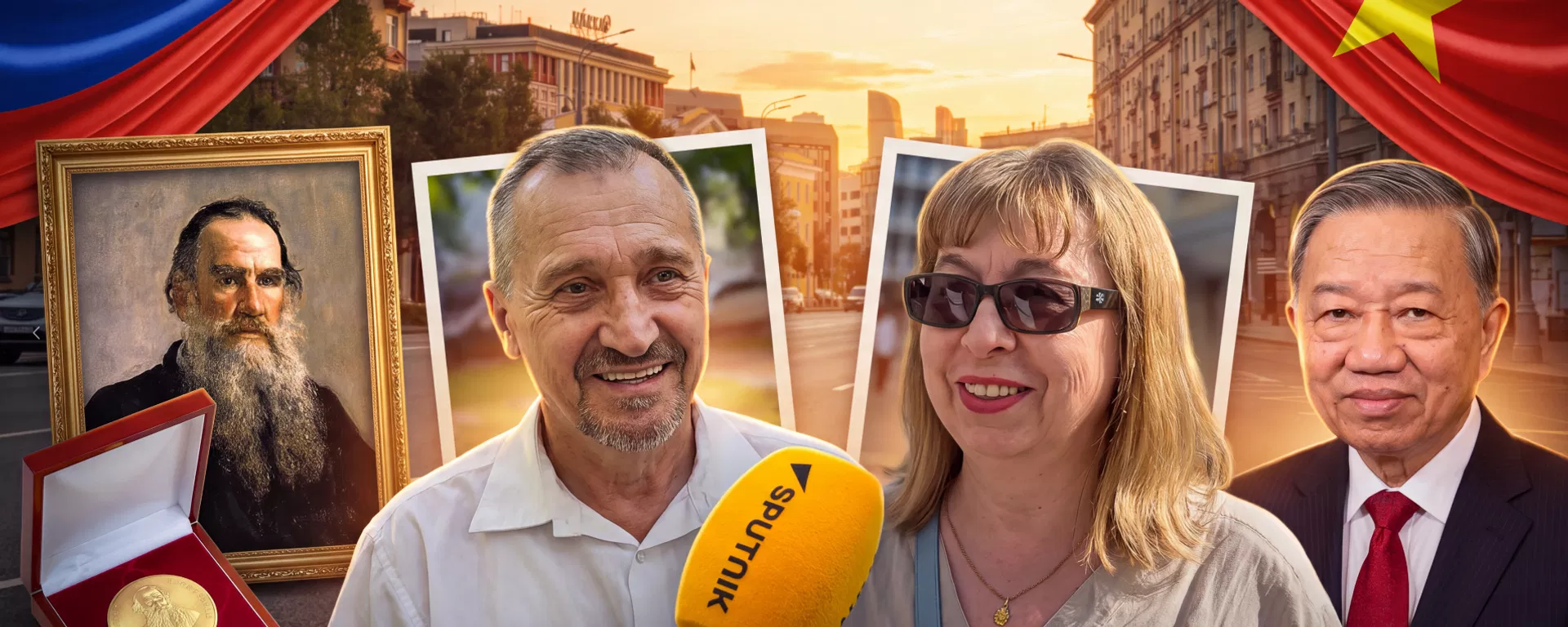
Vì sao Giải Lev Tolstoy dành cho TBT, CTN Tô Lâm đặc biệt với Việt Nam và Nga?
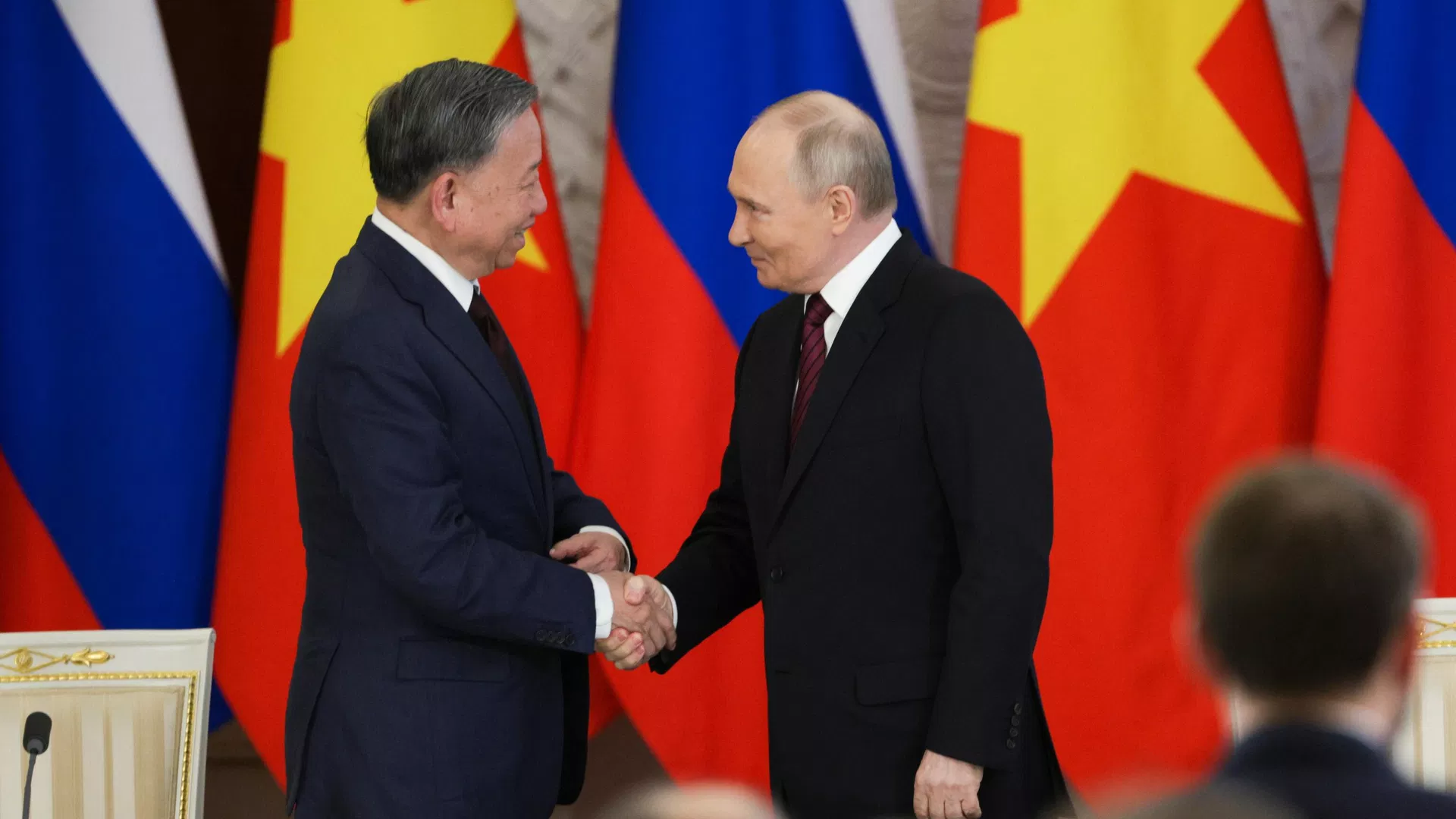 Giải Hòa bình Quốc tế Lev Tolstoy dành cho Tổng Bí thư, Chủ tịch nước Tô Lâm không chỉ là sự vinh danh một nhà lãnh đạo Việt Nam, mà còn gợi mở những điểm gặp gỡ sâu sắc giữa truyền thống yêu chuộng hòa bình của Việt Nam với tư tưởng nhân văn, trọng hòa bình của nước Nga.
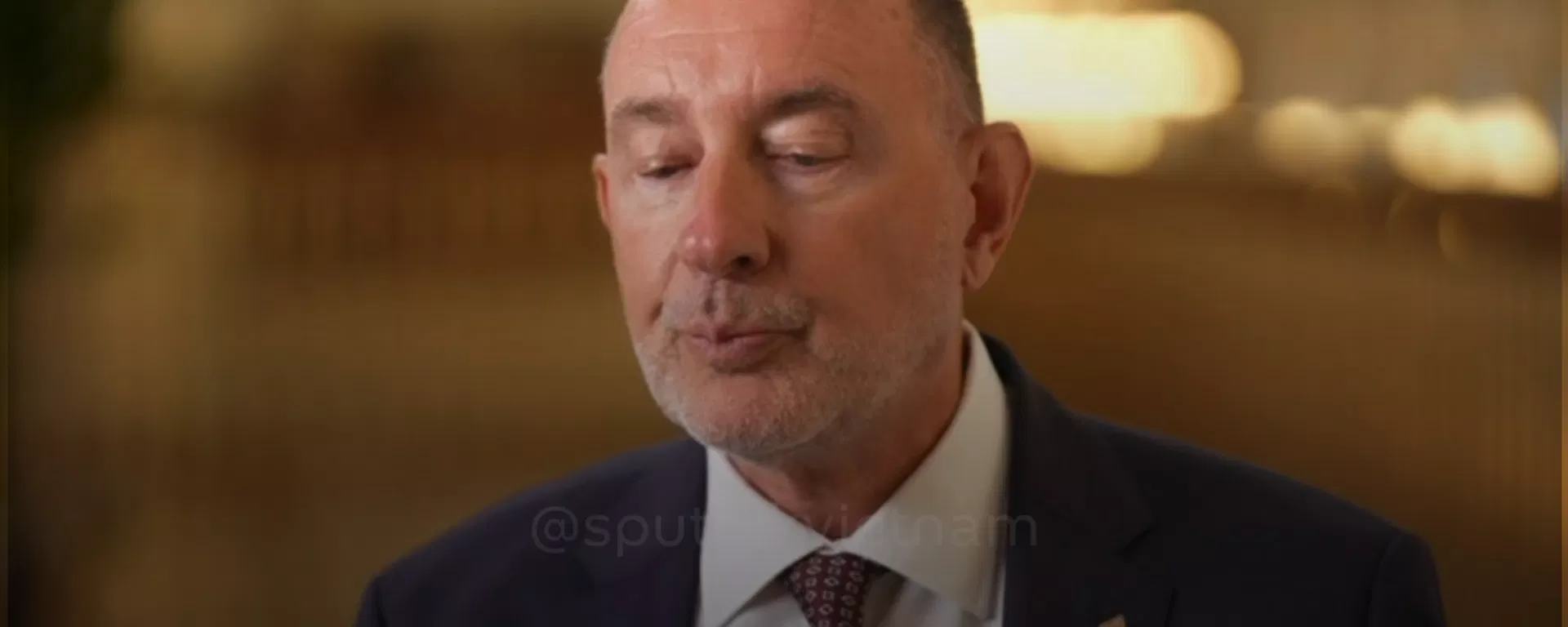
Sputnik đã có cuộc trao đổi với GS. TSKH. Vũ Minh Giang, chuyên gia sử học hàng đầu, Phó Chủ tịch Hội Khoa học Lịch sử Việt Nam kiêm Chủ tịch Hội đồng Khoa học và Đào tạo, để nhìn nhận sâu hơn về ý nghĩa của giải thưởng và những giá trị lịch sử, văn hóa phía sau sự kiện này.
Một sự ghi nhận đối với vai trò gìn giữ hòa bình của Việt Nam
Sputnik: Thưa GS. TSKH. Vũ Minh Giang, ông đánh giá thế nào về ý nghĩa của việc một nhà lãnh đạo Việt Nam được vinh danh bằng Giải Hòa bình Quốc tế Lev N. Tolstoy, giải thưởng mang tên một nhân vật tiêu biểu cho tư tưởng nhân văn và hòa bình?
GS. TSKH. Vũ Minh Giang - Chuyên gia sử học, Chủ tịch Hội đồng Khoa học & Đào tạo kiêm Phó Chủ tịch Hội Khoa học Lịch sử Việt Nam:
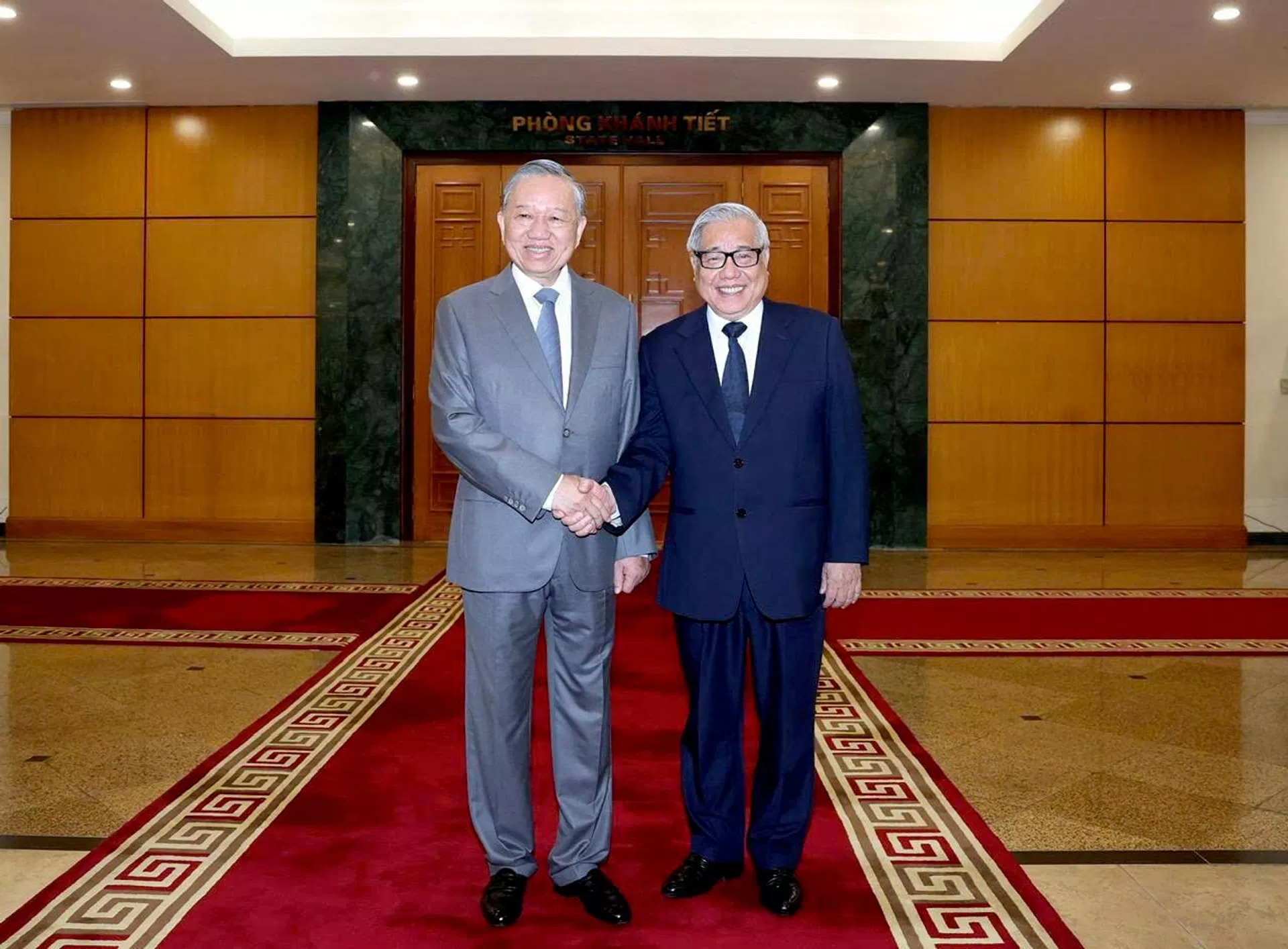 GS. TSKH. Vũ Minh Giang, Phó Chủ tịch Hội Khoa học Lịch sử Việt Nam kiêm Chủ tịch Hội đồng Khoa học và Đào tạo cùng Tổng Bí thư, Chủ tịch nước Tô Lâm tại Trụ sở Ban chấp hành Trung Ương
Một dân tộc đạt đến trình độ văn minh thì hòa bình phải trở thành một giá trị. Một dân tộc có thể thiết kế được một mô hình tổ chức nhà nước, một kết cấu xã hội, một quan hệ quốc tế để duy trì cuộc sống hòa bình cho nhân dân thì đó là một tiêu chí, nếu không nói là quan trọng nhất, thì cũng cực kỳ quan trọng để đánh giá giá trị văn minh trong thời đại ngày nay.
Vì vậy, khi biết tin Tổng Bí thư, Chủ tịch nước Tô Lâm sẽ được trao Giải Hòa bình Quốc tế Lev N. Tolstoy, tôi cho rằng đây là một sự kiện rất lớn.
Việt Nam, mà đại diện là người đứng đầu Đảng, đứng đầu Nhà nước, được nhận một giải thưởng hòa bình, trước hết là sự đánh giá cao của thế giới nói chung và Ban Tổ chức giải nói riêng đối với vai trò gìn giữ hòa bình của Việt Nam. Đây cũng là sự khích lệ, động viên không chỉ đối với cá nhân Tổng Bí thư, Chủ tịch nước mà đối với nhân dân Việt Nam, bởi nó cho thấy sự nhìn nhận quốc tế về vai trò gìn giữ hòa bình của Việt Nam.
Ý nghĩa của giải thưởng còn nằm ở chính tên gọi Lev N. Tolstoy. Người Nga luôn đề cao những giá trị của hòa bình, mà tiêu biểu là tác phẩm “Chiến tranh và Hòa bình” của đại văn hào Lev N. Tolstoy.
 Đây là một tác phẩm có tầm thế giới, đã được nhiều nước chuyển thể thành phim. Tôi cũng đã xem “Chiến tranh và Hòa bình” được thực hiện bởi những quốc gia có nền điện ảnh ở trình độ cao. Điều đó cho thấy Lev Tolstoy hoàn toàn xứng đáng được lựa chọn để đặt tên cho một giải thưởng mà giá trị cốt lõi là hòa bình.
Lev Tolstoy và giá trị hòa bình trong một thế giới bất an
Trong bối cảnh hiện nay, ý nghĩa của giải thưởng càng trở nên rõ nét. Thế giới đang có những biến đổi khôn lường, những mâu thuẫn sắc tộc, trải qua dịch bệnh như một cuộc chiến tranh thế giới, sự đe dọa chiến tranh thế giới trực tiếp trở nên rõ ràng, rồi những xung đột ở Trung Đông, Tây Âu, Đông Âu. Tất cả những điều đó khiến con người rơi vào tình trạng hết sức bất an, nhân dân ở nhiều nơi không có được cảm giác yên ổn.
Thế giới ngày nay có sự liên kết rất chặt chẽ, một biến động nhỏ ở bất cứ nơi nào cũng có thể ảnh hưởng tới những vùng rất xa nơi xảy ra biến động. Vì vậy, khát vọng lớn lao của toàn nhân loại lúc này là hòa bình.
Trong bối cảnh đó, xây dựng một giải thưởng hòa bình là một ý tưởng đáp ứng đúng nguyện vọng, nhu cầu ấy. Việc lựa chọn một nhân vật được coi là nhà văn có lòng yêu chuộng hòa bình vô bờ bến, một biểu tượng của tư tưởng nhân văn như Lev N. Tolstoy, để đặt tên cho giải thưởng càng làm nổi bật ý nghĩa đó.
 Đối với Việt Nam, đây là một vinh dự. Giải thưởng hướng tới người đứng đầu Đảng Cộng sản Việt Nam, đứng đầu Nhà nước Việt Nam, một nhà lãnh đạo tiêu biểu của Việt Nam. Mở rộng ra, đó là sự trân trọng của nước Nga và Ban Tổ chức giải thưởng đối với đất nước Việt Nam, một dân tộc giờ đây được đánh giá là một nơi cực kỳ an toàn của thế giới, một biểu tượng của hòa bình.
Thủ đô Hà Nội cũng đã được tặng danh hiệu “Thành phố vì hòa bình”. Vì vậy, sự kiện này càng khẳng định thêm truyền thống yêu chuộng hòa bình mà dân tộc Việt Nam đã tích lũy từ ngàn xưa.
Điểm gặp gỡ Việt - Nga từ văn hóa và tình nghĩa
Sputnik: Thưa ông, việc trao Giải Hòa bình Quốc tế Lev N. Tolstoy cho Tổng Bí thư, Chủ tịch nước Tô Lâm gợi mở những điểm tương đồng nào với truyền thống yêu chuộng hòa bình, trọng chính nghĩa và đề cao hòa hiếu của dân tộc Việt Nam?
GS. TSKH. Vũ Minh Giang - Chuyên gia sử học, Chủ tịch Hội đồng Khoa học & Đào tạo kiêm Phó Chủ tịch Hội Khoa học Lịch sử Việt Nam:
Việt Nam và Liên Xô trước đây, cũng như dân tộc Nga nói riêng, có một mối quan hệ hết sức đặc biệt. Tôi từng sống ở Nga 6 năm, có nhiều bạn Nga, những người thầy Nga và quen biết nhiều người thuộc các giới chức, các thành phần xã hội khác nhau. Qua đó, tôi nhận thấy tâm hồn Nga rất gần với cách nghĩ và văn hóa Việt Nam, trước hết ở sự coi trọng tình nghĩa.
 GS. TSKH. Vũ Minh Giang, Phó Chủ tịch Hội Khoa học Lịch sử Việt Nam kiêm Chủ tịch Hội đồng Khoa học và Đào tạo trong chuyến công tác tại St. Petersburg (LB Nga)
Trong dịp đón Tổng thống Vladimir Putin sang thăm Hà Nội, có một cuộc giao lưu tại Nhà hát Lớn mà tôi cũng được mời tham dự. Ông Putin từng nói rằng, đối với người Nga, quan hệ bạn bè, tình nghĩa là giá trị, là tài sản còn cao hơn cả tiền bạc. Điều đó rất hợp với cách nghĩ của người Việt Nam.
Khi đã đặt tình nghĩa, tình bạn lên trên những giá trị vật chất thì những giá trị vật chất dù quý đến đâu cũng không thể so sánh được. Người Việt Nam luôn nhớ tới tình cảm của người Nga, nhất là trong những năm tháng khó khăn về chiến tranh và kinh tế. Chính vì vậy, trong bối cảnh hiện nay, khi Việt Nam đã có những bước phát triển tương đối mạnh mẽ, người Nga vẫn nhớ đến Việt Nam.
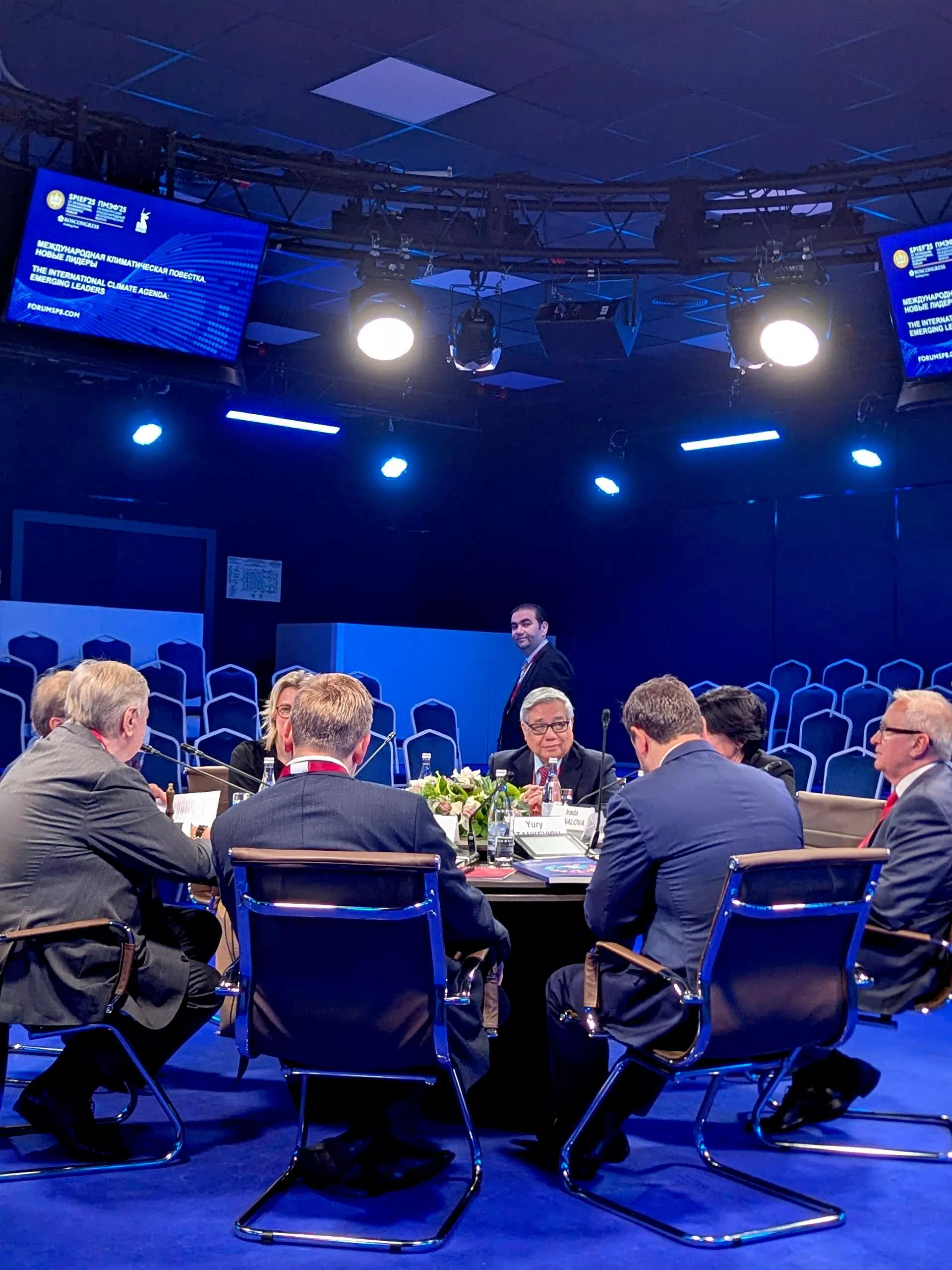 GS. TSKH. Vũ Minh Giang tham dự Diễn đàn kinh tế Quốc tế St. Petersburg năm 2025
Nhìn Việt Nam như một biểu tượng của hòa bình không chỉ cho thấy sự trưởng thành của Việt Nam mà còn cho thấy hình tượng Việt Nam đã được nâng lên rất nhiều trong con mắt người Nga.
Vì vậy, sự kiện trao Giải Hòa bình Quốc tế Lev N. Tolstoy cho Tổng Bí thư, Chủ tịch nước Tô Lâm không chỉ có giá trị của một giải thưởng thông thường. Theo tôi, trong đó còn có tình cảm của hai dân tộc, là sự trân trọng của người Nga đối với người Việt Nam. Đó cũng là niềm tự hào của chúng ta.
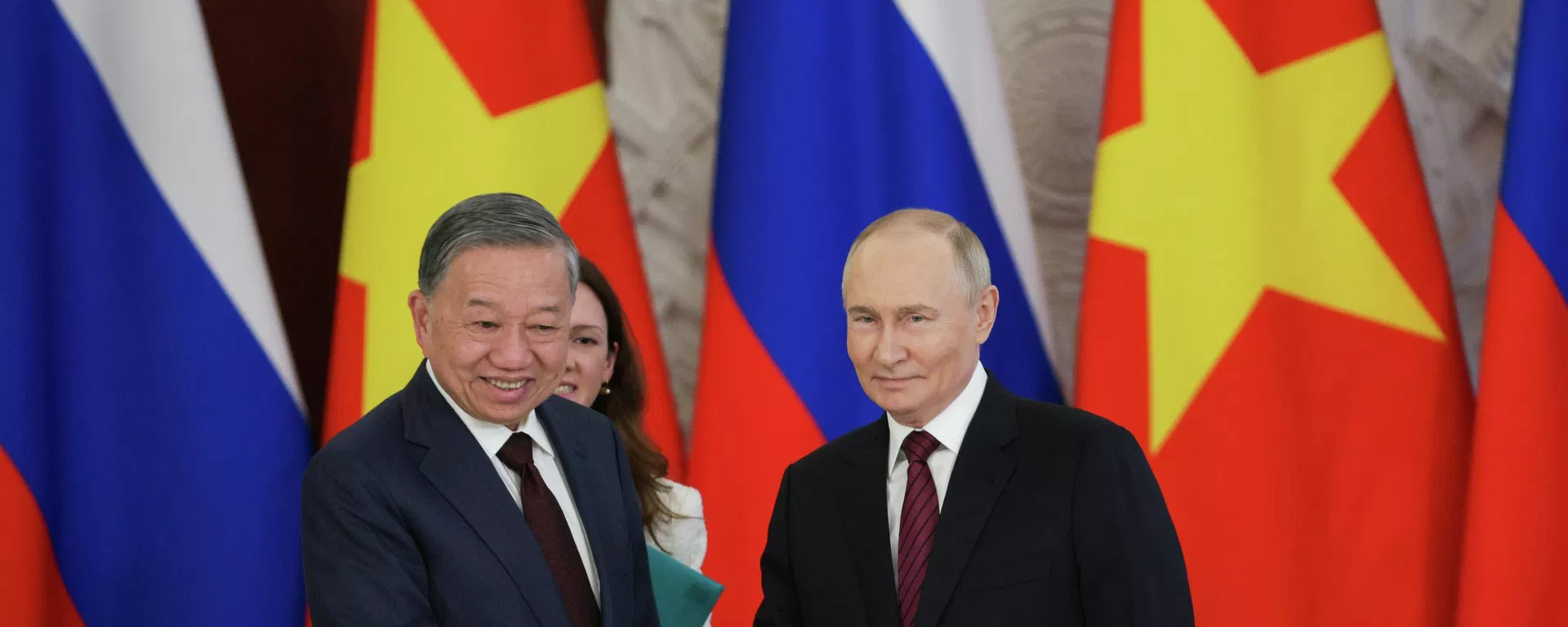 Tình cảm giữa nhân dân Nga và nhân dân Việt Nam đã trải qua những bước thăng trầm, nhưng đến nay đã đạt tới một mức độ hiểu nhau sâu sắc hơn. Có lẽ, giá trị chung mà cả hai dân tộc, cũng như cả nhân loại, đều hướng tới chính là hòa bình. Vì thế, việc trao giải thưởng này có thể xem là sự hội tụ, sự kết tinh của những giá trị chung ấy.
Từ sự tương đồng lịch sử đến mối quan hệ Việt - Nga
Sự tương đồng giữa người Nga và người Việt Nam còn có thể nhìn thấy từ lịch sử. Người Nga cũng từng phải đối mặt với những đạo quân xâm lược. Năm 1812, đạo quân Napoleon của đế chế Pháp tấn công nước Nga, buộc người Nga phải đứng lên cầm vũ khí chống lại kẻ thù. Từ đó, những tác phẩm nói về hòa bình cũng xuất hiện, mà rõ nhất là trong bối cảnh Chiến tranh thế giới thứ hai.
Người Nga đã phải hy sinh hàng chục triệu người để bảo vệ Tổ quốc, đồng thời tiêu diệt ngòi lửa chiến tranh của chủ nghĩa phát xít. Ở điểm này, người Nga có sự tương đồng với người Việt Nam: buộc phải cầm súng, buộc phải hy sinh, chịu tổn thất, nhưng mục đích không chỉ là giành chiến thắng mà còn là bảo vệ nhân loại khỏi chiến tranh. Tư tưởng hòa bình vì thế được đặt ở một tầm cao.
Người ta thường nói đến phẩm cách hiệp sĩ của người Nga. Người Việt Nam cũng vậy, như một chàng hiệp sĩ sẵn sàng đứng lên bảo vệ lẽ phải, nhưng đích đến cuối cùng không phải là xâm chiếm ai, cũng không phải chỉ để giành chiến thắng quân sự, mà là đi tới hòa bình, tới một cuộc sống thanh bình.
Sự tương đồng giữa người Nga và người Việt Nam có thể tìm thấy trong rất nhiều câu chuyện và trong văn hóa của hai dân tộc. Tư tưởng lấy đại nghĩa thắng hung tàn, hướng tới hòa bình chính là một điểm gặp gỡ giữa văn hóa Nga và Việt Nam.
 Từ sự tương đồng về văn hóa, tình nghĩa đến những mối quan hệ được hình thành trong lịch sử, người Nga được biết đến từ rất sớm với những người Việt Nam đi tìm đường cứu nước như Chủ tịch Hồ Chí Minh. Sau đó, nhiều người Việt Nam sang Nga học tập, đào tạo; quan hệ ngoại giao được thiết lập; tình nghĩa anh em và sự giúp đỡ lẫn nhau được hình thành trong những lúc khó khăn.
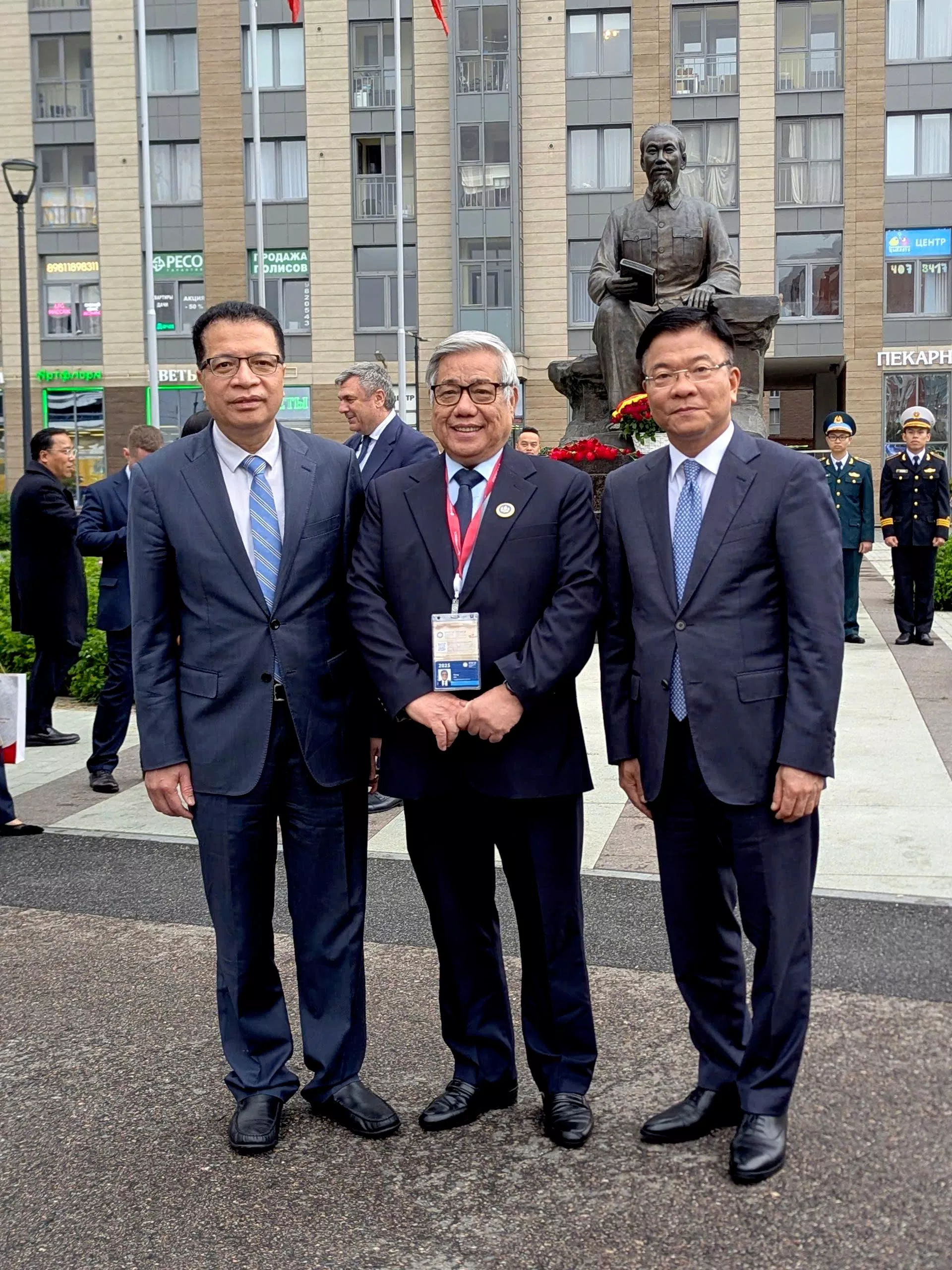
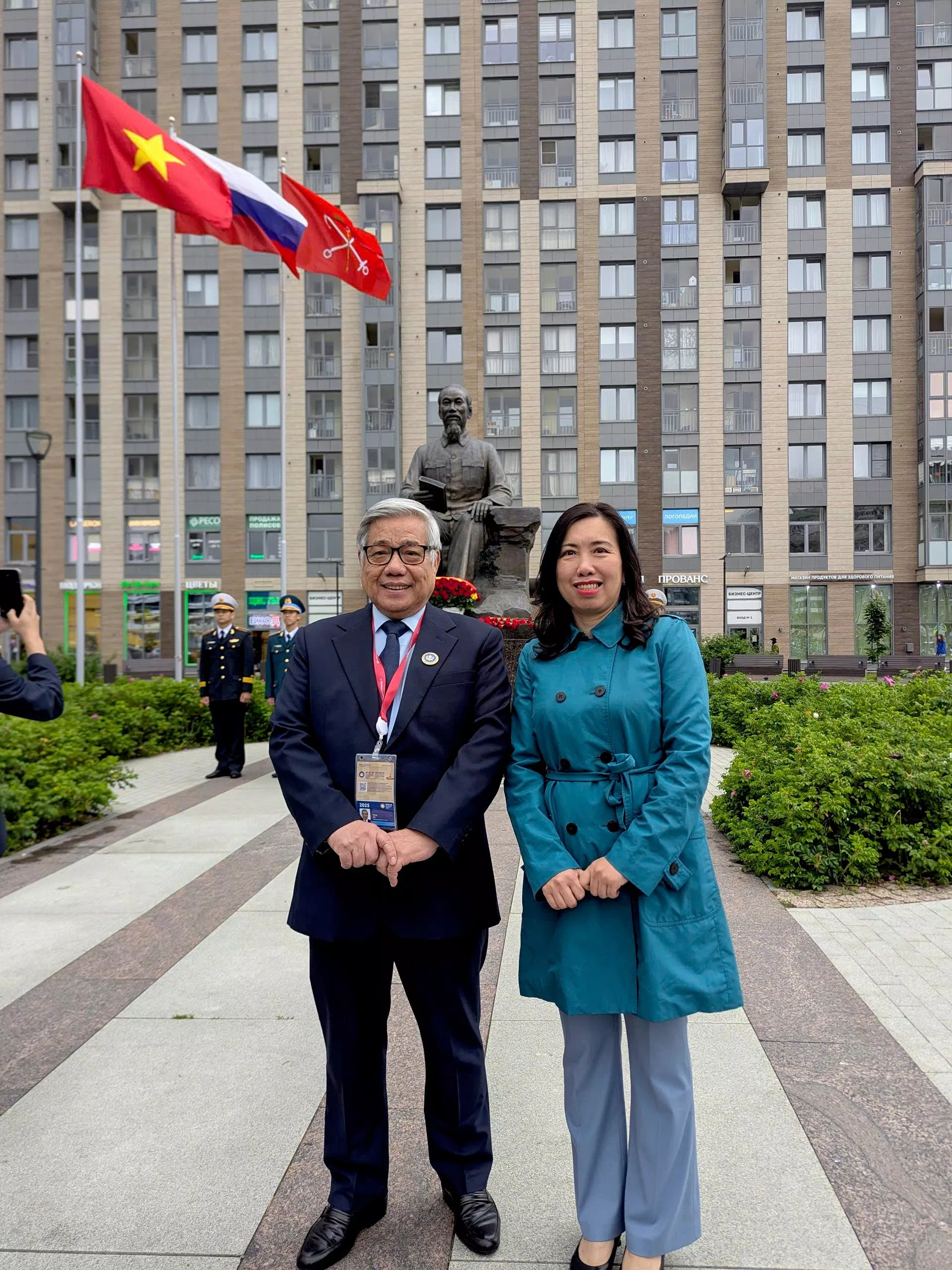 GS. TSKH. Vũ Minh Giang cùng Thứ trưởng Ngoại giao Việt Nam Lê Thị Thu Hằng tại Tượng đài Chủ tịch Hồ Chí Minh (LB Nga)
Những mối quan hệ ấy đã được ghi nhận qua nhiều sự kiện, nhiều thời kỳ lịch sử. Sau một thời gian phát triển với những biến động của thế giới, việc nước Nga thông qua Ban Tổ chức Giải Hòa bình Quốc tế Lev N. Tolstoy lựa chọn Tổng Bí thư, Chủ tịch nước Tô Lâm để trao giải thưởng này là một điểm nhấn trong quá trình phát triển quan hệ Việt - Nga.
Tôi cho rằng đây chắc chắn sẽ là một dấu mốc phát triển mới, từ đó quan hệ Việt - Nga sẽ tiếp tục phát triển theo chiều hướng tích cực, cùng nhau vun đắp quan hệ hữu nghị và góp phần gìn giữ hòa bình thế giới.
“Lấy đại nghĩa để thắng hung tàn”: Cầm vũ khí để đi tới hòa bình
Sputnik: Trong lịch sử Việt Nam, tư tưởng hòa hiếu nhưng kiên quyết bảo vệ độc lập, chủ quyền đã được thể hiện như thế nào, và những giá trị ấy còn có ý nghĩa ra sao trong bối cảnh hiện nay?
GS. TSKH. Vũ Minh Giang - Chuyên gia sử học, Chủ tịch Hội đồng Khoa học & Đào tạo kiêm Phó Chủ tịch Hội Khoa học Lịch sử Việt Nam:
Nhìn từ lịch sử Việt Nam, có một thực tế là đất nước nằm ở một vị trí địa chiến lược rất quan trọng, vì vậy những biến động xung quanh đều có tác động đến Việt Nam. Đồng thời, Việt Nam ở gần những đế chế hùng mạnh qua nhiều thời đại, nên thường xuyên phải chống đỡ với các cuộc chiến tranh xâm lược.
Người Việt Nam đã nhiều lần phải đứng lên tự vệ. Nói cách khác, chúng tôi mong muốn một cuộc sống hòa bình, được sống trong yên lành, nhưng các thế lực bên ngoài, xuất phát từ lợi ích và tư duy của các đế chế, không cho dân tộc Việt Nam được hưởng một quyền rất bình dị như vậy. Vì thế, người Việt Nam buộc phải cầm vũ khí đứng lên.
Nhưng khi tiến hành chiến tranh, người Việt Nam luôn hướng tới việc sớm kết thúc chiến tranh. Một đặc điểm của lịch sử chiến tranh Việt Nam là hầu hết các cuộc chiến đều đi đến hòa đàm, tức là khi xuất hiện khả năng chấm dứt chiến tranh, ngồi vào bàn đàm phán để dừng chiến tranh, người Việt Nam luôn sẵn sàng.
 Từ thời Lý đã có hòa đàm với đế chế Tống. Đến thời Minh cũng vậy. Sau này là Hiệp định Genève trong cuộc kháng chiến chống Pháp, Hiệp định Paris trong cuộc kháng chiến chống Mỹ. Người Việt Nam luôn lựa chọn giải pháp rút ngắn thời gian chiến tranh, kết thúc chiến tranh bằng hòa đàm để giữ hòa hiếu.
“Lấy đại nghĩa để thắng hung tàn” là một tư tưởng nhân ái, nhân văn của người cầm súng nhưng vẫn giữ hòa hiếu, lấy đó làm tầm nhìn hướng tới một mối quan hệ hòa bình trong bang giao. Đó là một tư tưởng rất lớn.
Từ truyền thống đến khát vọng hòa bình hôm nay
Tôi còn nhớ một câu rất nổi tiếng của danh nhân văn hóa Nguyễn Trãi, người đã giúp Lê Lợi tổ chức thành công cuộc kháng chiến chống quân xâm lược Minh thế kỷ XV. Trong một tác phẩm nổi tiếng của mình, ông nói tới trận chiến cuối cùng là để “dập tắt muôn đời chiến tranh”. Đánh một trận để dập tắt muôn đời chiến tranh, tức là hướng tới hòa bình.
Cách ứng xử thực sự để kết thúc chiến tranh là mở đường hiếu sinh, để từ đó đời đời không còn sự hận thù giữa hai quốc gia. Tư tưởng nhân ái ấy lớn lao vô cùng và được truyền lại cho đến mãi về sau, mà đỉnh cao, như chúng ta đã biết, được tập trung và kết tinh ở con người Chủ tịch Hồ Chí Minh.
Đó cũng là nền tảng để nhìn nhận giá trị của tư tưởng hòa hiếu trong bối cảnh hiện nay. Hòa hiếu không phải là từ bỏ chính nghĩa, cũng không phải từ bỏ quyền tự vệ. Người Việt Nam có thể cầm súng để bảo vệ lẽ phải, bảo vệ đất nước, nhưng đích đến cuối cùng vẫn là hòa bình.
Trong bối cảnh thế giới đang có những biến động khôn lường, xung đột và sự đe dọa chiến tranh khiến con người ở trong tình trạng bất an, khát vọng lớn lao của toàn nhân loại vẫn là hòa bình. Vì vậy, những giá trị mà Việt Nam đã tích lũy từ ngàn xưa vẫn còn nguyên ý nghĩa.
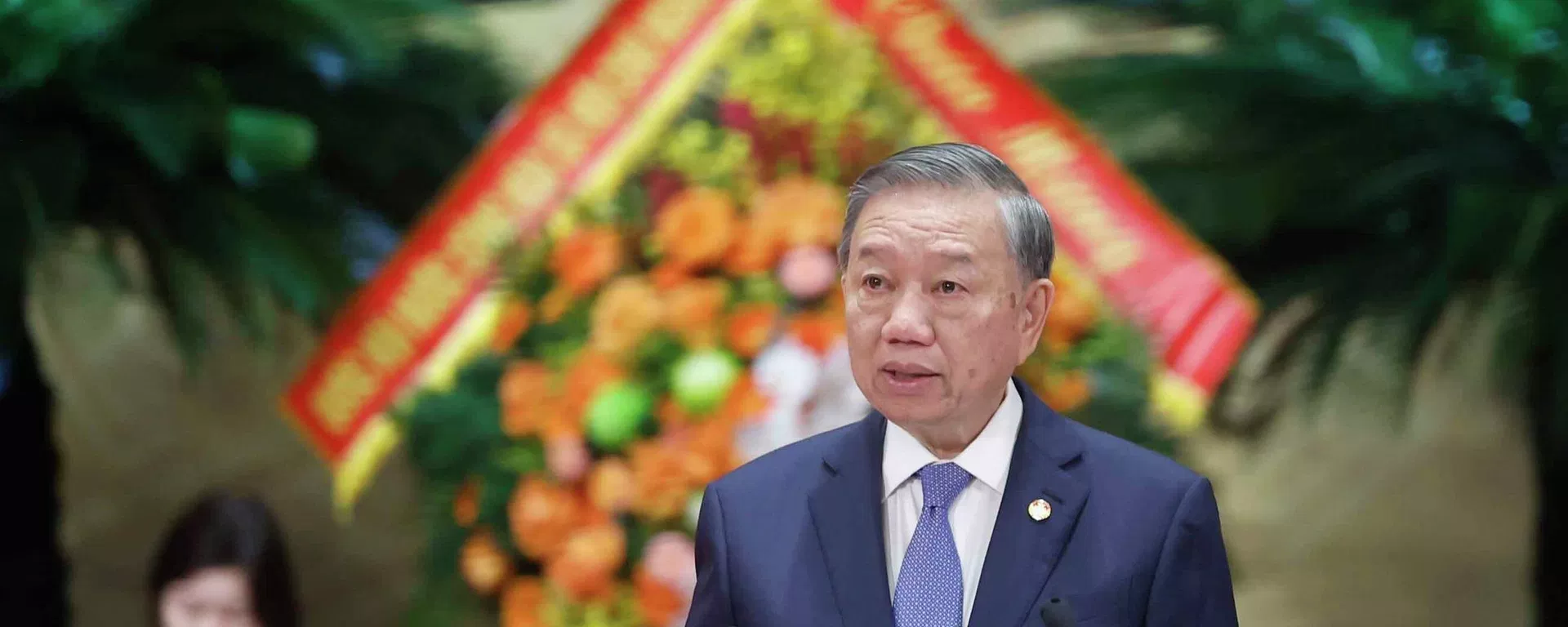 Đến nay, một trong những thế hệ kế cận là Tổng Bí thư, Chủ tịch nước Tô Lâm được nhận Giải Hòa bình Quốc tế Lev N. Tolstoy. Tôi nghĩ đó là niềm vinh dự của cá nhân Tổng Bí thư, Chủ tịch nước Tô Lâm nhưng đồng thời cũng là niềm tự hào của nhân dân Việt Nam.
Và nếu nhìn từ chiều dài lịch sử ấy, từ tư tưởng “lấy đại nghĩa để thắng hung tàn”, từ việc đánh một trận để “dập tắt muôn đời chiến tranh”, đến tư tưởng nhân ái, nhân văn được kết tinh ở Chủ tịch Hồ Chí Minh, có thể thấy một mạch tư tưởng xuyên suốt của dân tộc Việt Nam: kiên quyết bảo vệ chính nghĩa, độc lập và chủ quyền, nhưng mục tiêu cuối cùng vẫn là hòa bình, hòa hiếu và cuộc sống yên bình của nhân dân.
Theo tôi, chính ở điểm đó có sự gặp gỡ sâu sắc với ý nghĩa của Giải Hòa bình Quốc tế Lev N. Tolstoy. Giải thưởng không chỉ là sự vinh danh một cá nhân, mà còn là sự ghi nhận đối với những giá trị hòa bình mà Việt Nam đã tích lũy và theo đuổi trong suốt chiều dài lịch sử.
Xin chân thành cảm ơn chia sẻ sâu sắc của ông!
Why Is the Lev Tolstoy Peace Prize Awarded to General Secretary and President To Lam Significant for Vietnam and Russia?
The International Lev Tolstoy Peace Prize awarded to General Secretary of the Communist Party of Vietnam and President To Lam is not merely a recognition of a Vietnamese leader. It also highlights profound points of convergence between Vietnam’s long-standing tradition of valuing peace and Russia’s humanistic and peace-oriented outlook.
Sputnik spoke with Professor and Doctor of Science Vũ Minh Giang, a leading historian, Vice President of the Vietnam Association of Historical Sciences and Chairman of its Scientific and Training Council, to gain deeper insight into the significance of the award and the historical and cultural values underlying the event.
Recognition of Vietnam’s Role in Preserving Peace
Sputnik: Professor Vũ Minh Giang, how do you interpret the significance of a Vietnamese leader being honored with the International Lev N. Tolstoy Peace Prize, an award named after a figure emblematic of humanistic and peace-oriented thought?
Prof. Dr. Vũ Minh Giang — Historian, Chairman of the Scientific and Training Council and Vice President of the Vietnam Association of Historical Sciences:
For a nation to attain a certain level of civilization, peace must become a fundamental value. A nation that is capable of designing a system of state organization, a social structure and international relations that allow its people to live in peace demonstrates one of the criteria—if not the most important, then certainly one of the most important—for assessing the level of civilization of a society in the modern era.
Therefore, when I learned that General Secretary and President To Lam would receive the International Lev N. Tolstoy Peace Prize, I considered it a major event.
Vietnam, represented by the head of the Party and the head of state, receiving a peace prize is, first and foremost, an expression of the international community’s recognition in general, and that of the prize’s Organizing Committee in particular, of Vietnam’s role in preserving peace.
It is also a source of encouragement not only for the General Secretary and President personally, but for the Vietnamese people as a whole, because it reflects the international recognition of Vietnam’s role in preserving peace.
The significance of the award also lies in the very name it bears: Lev N. Tolstoy. Russians have always attached great importance to the values of peace, with one of the most prominent examples being the great writer Lev N. Tolstoy’s War and Peace.
It is a work of global stature that has been adapted into films in many countries. I myself have seen film adaptations of War and Peace produced by countries with highly developed film industries. This demonstrates why Lev Tolstoy is entirely fitting as the namesake of an award whose core value is peace.
Lev Tolstoy and the Value of Peace in an Uncertain World
Against the backdrop of the current global situation, the significance of the award becomes even more apparent. The world is undergoing unpredictable changes, with ethnic tensions, pandemics of a scale comparable to a world war, an increasingly tangible threat of global war, as well as conflicts in the Middle East, Western Europe and Eastern Europe. All of this has left people deeply unsettled, while populations in many parts of the world no longer enjoy a sense of security and peace.
The world today is highly interconnected. Even a small disturbance in one place can affect regions far removed from where it originated. Therefore, humanity’s great aspiration at this moment is peace.
In this context, establishing a peace prize is an idea that responds directly to that aspiration and need. Choosing Lev N. Tolstoy—a figure regarded as a writer with an unwavering commitment to peace and an embodiment of humanistic thought—as the namesake of the award further underscores its significance.
For Vietnam, this is an honor. The award is presented to the head of the Communist Party of Vietnam and the head of the Vietnamese state, a leader representing the country. More broadly, it reflects Russia’s and the prize’s Organizing Committee’s regard for Vietnam—a nation that is now regarded as one of the safest places in the world and as a symbol of peace.
Hanoi, the capital, has also been honored with the title of “City for Peace.” This event therefore further reinforces the Vietnamese people’s long-standing tradition of cherishing peace, a tradition accumulated over thousands of years.
Vietnam-Russia Convergence Through Culture and Human Bonds
Sputnik: Professor, what points of commonality does the awarding of the International Lev N. Tolstoy Peace Prize to General Secretary and President To Lam reveal with Vietnam’s tradition of cherishing peace, upholding justice and valuing harmony?
Prof. Dr. Vũ Minh Giang — Historian, Chairman of the Scientific and Training Council and Vice President of the Vietnam Association of Historical Sciences:
Vietnam and the former Soviet Union, as well as the Russian people in particular, have a very special relationship.
I lived in Russia for six years. I have many Russian friends and Russian professors, and I have had the opportunity to meet people from various official circles and different walks of life. Through those experiences, I came to see that the Russian spirit is very close to Vietnamese ways of thinking and culture, first and foremost in the importance placed on human bonds and personal ties.
During the visit of President Vladimir Putin to Hanoi, there was an exchange at the Hanoi Opera House that I was also invited to attend. Mr. Putin once said that, for Russians, friendship and personal bonds were values—assets even more precious than money. That idea resonates strongly with the Vietnamese way of thinking.
Once friendship and human bonds are placed above material values, however valuable those material things may be, they cannot be compared with them. The Vietnamese people have always remembered the affection shown by the Russian people, particularly during difficult years of war and economic hardship. That is why, even in the present context, as Vietnam has made significant progress in its development, Russians continue to remember Vietnam.
Seeing Vietnam as a symbol of peace not only reflects Vietnam’s own maturity, but also shows how significantly Vietnam’s image has risen in the eyes of the Russian people.
Therefore, the awarding of the International Lev N. Tolstoy Peace Prize to General Secretary and President To Lam is not simply an ordinary award. In my view, it also embodies the sentiments shared by the two peoples and reflects the respect Russians have for the Vietnamese people. It is also a source of pride for us.
The ties between the Russian and Vietnamese peoples have gone through ups and downs, but today they have reached a deeper level of mutual understanding. Perhaps the common value toward which both peoples, as well as humanity as a whole, aspire is precisely peace.
In this sense, the awarding of this prize can be seen as a convergence and crystallization of those shared values.
From Historical Parallels to Vietnam-Russia Relations
The similarities between the Russian and Vietnamese peoples can also be seen through history.
The Russian people, too, have had to confront invading armies. In 1812, Napoleon’s army of the French Empire invaded Russia, forcing the Russian people to take up arms against the enemy. From that experience emerged works addressing peace, most notably in the context of the Second World War.
The Russian people sacrificed tens of millions of lives to defend their homeland and to extinguish the flames of fascist war. In this respect, there is a parallel with the Vietnamese experience: they were compelled to take up arms, make sacrifices and endure losses, but the objective was not simply to achieve victory. It was also to protect humanity from war. The idea of peace was therefore elevated to a higher level.
People often speak of the Russian spirit of chivalry. The Vietnamese are similar in this regard: like a knight ready to rise in defense of what is right, yet whose ultimate destination is neither to conquer others nor merely to achieve military victory, but to reach peace and a peaceful life.
The similarities between the Russian and Vietnamese peoples can be found in many stories and throughout the cultures of the two nations. The idea of “using great righteousness to overcome brutality,” together with the aspiration for peace, is precisely one of the points of convergence between Russian and Vietnamese culture.
From cultural similarities and bonds of sentiment to relationships forged through history, Russians became acquainted at an early stage with Vietnamese who had set out in search of a path to save their country, including President Ho Chi Minh.
Later, many Vietnamese went to Russia to study and receive training; diplomatic relations were established; and bonds of brotherhood and mutual assistance developed during difficult periods.
These ties have been marked by numerous events and historical periods. After evolving over time amid changes in the international environment, Russia’s decision, through the Organizing Committee of the International Lev N. Tolstoy Peace Prize, to select General Secretary and President To Lam as the recipient represents a significant milestone in the development of Vietnam-Russia relations.
I believe this will certainly mark a new stage in their development. From there, Vietnam-Russia relations will continue to develop in a positive direction, strengthening friendship and contributing to the preservation of world peace.
“Using Great Righteousness to Overcome Brutality”: Taking Up Arms to Reach Peace
Sputnik: In Vietnamese history, how has the idea of seeking harmony while firmly defending independence and sovereignty been expressed, and what significance do these values retain in the current context?
Prof. Dr. Vũ Minh Giang — Historian, Chairman of the Scientific and Training Council and Vice President of the Vietnam Association of Historical Sciences:
Looking at Vietnamese history, one reality is clear: the country occupies an extremely important geostrategic position. As a result, developments in its surrounding environment have always had an impact on Vietnam.
At the same time, Vietnam has historically been located in proximity to powerful empires and has therefore repeatedly had to confront wars of aggression.
The Vietnamese people have had to rise up in self-defense many times.
In other words, we aspire to a peaceful life, to live in tranquility, but external powers, driven by their own interests and imperial ways of thinking, did not allow the Vietnamese people to enjoy such a basic right. As a result, the Vietnamese were compelled to take up arms and rise in defense of themselves.
Yet when waging war, the Vietnamese have always sought to bring the conflict to an end as soon as possible.
One characteristic of the history of warfare in Vietnam is that most wars ultimately led to peace negotiations. Whenever an opportunity emerged to end the fighting and sit down at the negotiating table, the Vietnamese were always prepared to take that path.
As early as the Lý dynasty, peace negotiations were conducted with the Song Empire. The same was true during the Ming period. Later came the Geneva Accords following the war against France, and the Paris Peace Accords during the war against the United States.
The Vietnamese have consistently chosen solutions aimed at shortening the duration of war and ending conflicts through negotiations in order to preserve peaceful relations.
“Using great righteousness to overcome brutality” is a deeply humane and compassionate idea: a person who takes up arms can nevertheless preserve peaceful relations and make them the guiding vision for relations between nations.
It is a profound principle.
From Tradition to Today’s Aspiration for Peace
I still remember a famous saying by the great Vietnamese cultural figure Nguyễn Trãi, who helped Lê Lợi successfully organize the resistance against the Ming invaders in the 15th century.
In one of his celebrated works, he referred to the final battle as being fought to “put an end to war for all time.”
To fight one final battle in order to put an end to war for all time is, ultimately, to strive for peace.
The true way to end a war is to open a path toward reconciliation and the preservation of life, so that hatred between the two nations will never return.
That deeply humane idea is immense in scope and has been passed down through generations. Its fullest expression, as we know, was embodied in President Ho Chi Minh.
This is also the foundation from which to understand the value of the idea of peaceful coexistence and harmony in the present context.
Cherishing peaceful relations does not mean abandoning justice, nor does it mean giving up the right to self-defense. The Vietnamese people may take up arms to defend what is right and to protect their country, but the ultimate destination remains peace.
In a world undergoing unpredictable upheavals, where conflict and the threat of war leave people in a state of anxiety, humanity’s great aspiration remains peace.
Therefore, the values that Vietnam has accumulated over thousands of years continue to hold their full significance.
Today, one of the representatives of the succeeding generation, General Secretary and President To Lam, has received the International Lev N. Tolstoy Peace Prize.
I believe this is an honor for General Secretary and President To Lam personally, but at the same time, it is also a source of pride for the Vietnamese people.
Looking across that long historical trajectory—from the principle of “using great righteousness to overcome brutality,” to fighting one final battle to “put an end to war for all time,” and ultimately to the humane and humanistic thought embodied in President Ho Chi Minh—we can see a consistent thread running through the Vietnamese national ethos:
to firmly defend justice, independence and sovereignty, while keeping peace, harmonious relations among peoples and a peaceful life for the people as the ultimate objective.
In my view, this is precisely where a profound convergence can be found with the meaning of the International Lev N. Tolstoy Peace Prize.
The award is therefore not merely a tribute to an individual. It also represents recognition of the values of peace that Vietnam has cultivated and pursued throughout its long history.
Thank you very much for sharing these profound insights with us.
0 Comments
Chua co binh luan duoc duyet.